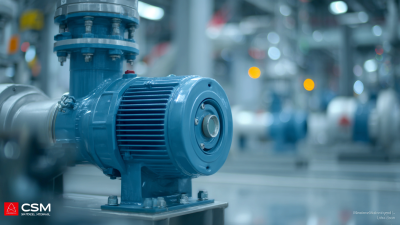


China Best Pumps And Motors Suppliers?
Choosing among China’s best Pumps And Motors suppliers requires more than comparing prices. A reliable supplier should demonstrate engineering experience, stable production, and transparent quality controls. Buyers should inspect factory capabilities, material records, performance curves, and test procedures. A polished website is not enough.
Dr. Lev Nelik, a recognized pump-industry specialist and author, has emphasized that “the pump is only one part of the system.” That principle matters when evaluating Chinese manufacturers. A pump may meet its rated flow in a laboratory, yet perform poorly after installation. Pipe resistance, motor efficiency, seal quality, voltage, and operating temperature all affect the final result. Ask for evidence, not promises.
Look closely at practical details. Are cast-iron housings properly coated? Are stainless-steel components traceable? Can the supplier provide vibration readings, efficiency data, and factory acceptance reports? Confirm whether the motor supports your required frequency, insulation class, and protection rating. Request sample units when the project is critical.
There is no perfect supplier. Even experienced buyers can overlook communication gaps or after-sales limitations. That is why supplier evaluation should include reference projects, response times, spare-parts availability, and warranty terms. A dependable China Pumps And Motors manufacturer should explain technical weaknesses honestly. It should also adapt specifications without hiding extra costs.
The strongest choice is not always the cheapest. It is the supplier that delivers consistent performance, clear documentation, and practical support over time. That judgment takes patience. It also requires independent verification.
Types of Pumps and Motors Manufactured by Chinese Suppliers
China Best Pumps and Motors Suppliers?
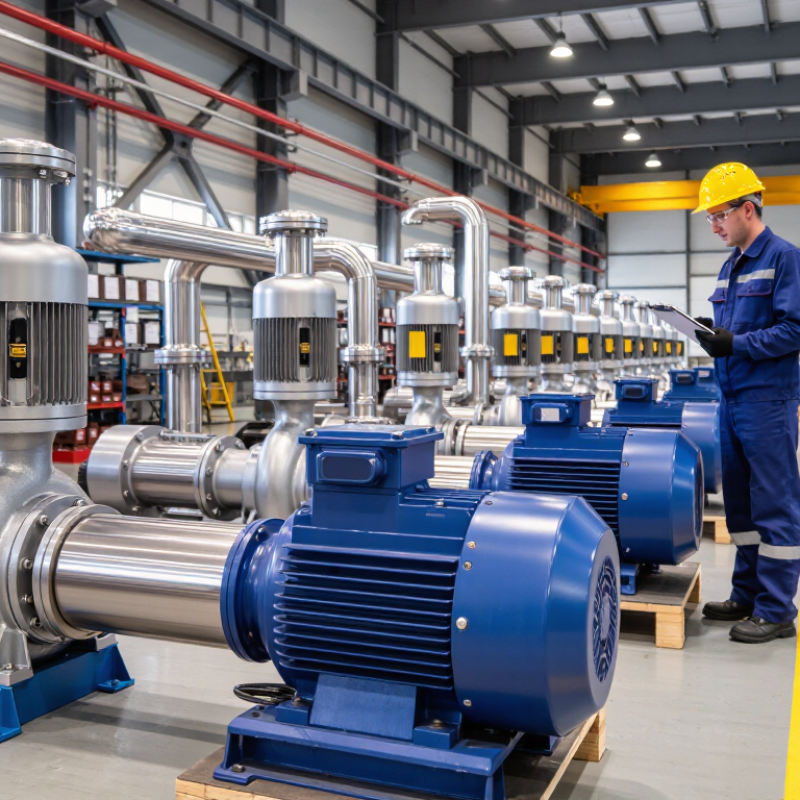
Chinese suppliers manufacture a broad range of pumps and motors for water treatment, agriculture, construction, and industrial processing. Common pump types include centrifugal, submersible, self-priming, diaphragm, gear, and screw pumps. Centrifugal models suit high-flow water transfer, while diaphragm and gear pumps handle dosing or viscous liquids. Suppliers also produce induction, synchronous, permanent-magnet, brushless DC, and variable-frequency motors. Selection should follow flow rate, total head, liquid temperature, duty cycle, and insulation class. Small details matter.
The U.S. Department of Energy reports that pumping systems may consume 25% to 50% of industrial facility energy. The International Energy Agency also estimates that electric motor systems use roughly half of global electricity. These figures make efficiency more than a catalog feature. High-efficiency motors, correctly sized impellers, sealed bearings, and variable-speed control can reduce wasted power. In my experience, oversized pumps often create unstable pressure and unnecessary throttling. That shortcut can mislead. Buyers should request performance curves, efficiency-test records, material certificates, and factory inspection evidence. ISO 5199 guidance is useful for many centrifugal pump evaluations, but it does not replace application testing. A supplier may offer many types; only a verified match deserves approval.
Key Industries Served by China’s Pump and Motor Manufacturers
China’s pump and motor manufacturers serve industries where fluid movement, pressure stability, and reliable power are essential. Agriculture remains a major market. Manufacturers provide centrifugal pumps for irrigation, drainage, livestock watering, and greenhouse systems. A dusty farm may need corrosion-resistant housings, simple controls, and motors that tolerate voltage fluctuations. These details matter more than a polished catalog.
Municipal water and wastewater plants require equipment for intake stations, filtration, sewage transfer, and sludge handling. Construction companies use dewatering pumps on foundations, tunnels, and road projects. Mining operations demand heavy-duty units for slurry, drainage, and process water. In manufacturing, pumps support cooling lines, boilers, chemical dosing, and clean production areas. Motor selection depends on load, duty cycle, efficiency, enclosure rating, and maintenance access. A mismatched motor can waste energy every hour.
Food processing, HVAC, marine engineering, and renewable-energy projects also purchase Chinese-made pump and motor systems. The correct choice starts with site data: flow rate, head, fluid temperature, solids content, and operating hours. Ask for performance curves, material specifications, test records, and clear after-sales procedures. Certification alone is not enough. Some buyers still compare only price and rated power. That approach can overlook noise, seal wear, spare-part delays, and unstable performance. A supplier’s real value appears during commissioning and difficult maintenance, not only during the sale.
| Industry | Typical Fluids and Applications | Common Pump Solutions | Typical Motor and Drive Requirements | Indicative Operating Range | Relevant Standards and Selection Factors |
|---|---|---|---|---|---|
| Municipal Water Supply | Raw-water intake, drinking-water transfer, pressure boosting, distribution and clean-water circulation. | End-suction centrifugal pumps, split-case pumps, vertical turbine pumps and multistage booster pumps. | Three-phase squirrel-cage induction motors; variable-frequency drives are commonly used for pressure and flow control. | Flow: approximately 10–10,000 m³/h Head: approximately 10–250 m |
Potable-water material compatibility, hydraulic efficiency, IP protection, insulation class, low-noise operation and lifecycle energy cost. |
| Wastewater Treatment | Municipal sewage, screened wastewater, sludge, aeration basins and treated-effluent discharge. | Submersible sewage pumps, non-clog pumps, cutter pumps, screw pumps and sludge-progressive-cavity pumps. | Submersible motors with moisture and thermal protection; variable-speed control is used for lift stations and process optimization. | Flow: approximately 5–5,000 m³/h Head: approximately 5–100 m |
Solids-handling diameter, corrosion resistance, seal design, submersible duty, wastewater safety requirements and ease of maintenance. |
| Oil, Gas and Petrochemicals | Crude oil, refined products, hydrocarbon transfer, loading systems, cooling water and process liquids. | API-style centrifugal pumps, between-bearings pumps, multistage pumps, screw pumps and magnetic-drive chemical pumps. | High-efficiency motors, hazardous-area versions where required, robust bearings and fixed- or variable-speed operation. | Flow: approximately 5–5,000 m³/h Pressure: up to several hundred bar in specialized services |
API 610 or project-specific requirements, hazardous-area classification, seal emissions, material compatibility, fire safety and temperature rating. |
| Chemical Processing | Acids, alkalis, solvents, brines, oxidizing liquids, corrosive process chemicals and dosing solutions. | Magnetic-drive pumps, lined centrifugal pumps, diaphragm metering pumps, chemical process pumps and vertical sump pumps. | TEFC motors, corrosion-resistant construction, inverter-duty insulation when speed control is needed and suitable hazardous-location protection. | Flow: approximately 0.01–2,000 m³/h Head: approximately 5–200 m |
Wetted-part materials such as fluoropolymers, stainless steel or high-alloy metals; leakage prevention, NPSH, chemical concentration and temperature are critical. |
| Mining and Mineral Processing | Mine dewatering, abrasive slurry, tailings, flotation circuits, concentrate transport and process water. | Heavy-duty slurry pumps, horizontal centrifugal pumps, vertical sump pumps, dewatering pumps and high-pressure multistage pumps. | High-torque motors, reinforced bearings, variable-frequency drives and overload capacity for dense or abrasive media. | Flow: approximately 10–10,000 m³/h Head: approximately 10–200 m |
Wear-resistant liners, solids concentration, particle size, abrasion allowance, seal selection, altitude derating and harsh-environment enclosure protection. |
| Power Generation | Boiler feedwater, condensate, cooling water, ash handling, desulfurization slurry and auxiliary circulation. | Boiler-feed pumps, condensate pumps, circulating-water pumps, vertical turbine pumps and desulfurization slurry pumps. | High-power motors, high-voltage induction or synchronous motors, soft starters or VFDs, and continuous-duty thermal management. | Flow: approximately 50–30,000 m³/h Head: approximately 20–1,500 m |
High efficiency, reliable sealing, minimum-flow protection, pressure-temperature rating, vibration control and project-specific electrical requirements. |
| HVAC and Building Services | Chilled water, hot water, condenser water, district energy and domestic water-pressure boosting. | Inline centrifugal pumps, end-suction pumps, multistage booster sets and electronically controlled circulators. | IE3 or higher-efficiency motors are widely specified; integrated or external VFDs enable variable-flow operation. | Flow: approximately 1–2,000 m³/h Head: approximately 5–160 m |
Seasonal efficiency, low noise, compact installation, automatic controls, water temperature, duty point and building-management-system compatibility. |
| Agriculture and Irrigation | Canal water, groundwater, irrigation networks, fertigation and greenhouse circulation. | Submersible well pumps, axial-flow pumps, mixed-flow pumps, centrifugal pumps and solar-powered pumping systems. | Three-phase or single-phase motors, submersible motors, solar pump controllers and VFDs for changing water levels and irrigation demand. | Flow: approximately 2–10,000 m³/h Head: approximately 5–500 m |
Well diameter, water quality, seasonal duty, dry-run protection, energy source, corrosion resistance and ease of field servicing. |
| Food and Beverage | Water, milk, edible oils, syrups, beverages, cleaning-in-place solutions and low- to medium-viscosity products. | Sanitary centrifugal pumps, positive-displacement pumps, lobe pumps, circumferential-piston pumps and self-priming pumps. | Washdown-resistant motors, stainless-steel construction and variable-speed control for gentle product handling and accurate transfer. | Flow: approximately 0.5–500 m³/h Head: approximately 5–150 m |
Hygienic design, drainability, polished wetted surfaces, elastomer compatibility, cleanability, temperature and product-shear requirements. |
| Pharmaceutical and Biotechnology | Purified water, water-for-injection systems, sterile liquids, buffers, solvents and cleaning solutions. | Sanitary centrifugal pumps, diaphragm pumps, peristaltic pumps and magnetically coupled pumps for contamination-sensitive duties. | Low-pulsation operation, precise speed control, washdown protection and motors suitable for validated cleanroom or process areas. | Flow: approximately 0.001–300 m³/h Head: approximately 5–120 m |
316L stainless steel, hygienic connections, surface finish, dead-leg minimization, clean-in-place compatibility and documentation requirements. |
| Marine and Shipbuilding | Ballast water, seawater cooling, bilge water, fire protection, fuel transfer and freshwater systems. | Horizontal centrifugal pumps, vertical pumps, self-priming pumps, screw pumps and seawater-service fire pumps. | Marine-duty motors with suitable insulation, vibration resistance, compact mounting and reliable operation under variable loads. | Flow: approximately 5–5,000 m³/h Head: approximately 10–250 m |
Seawater corrosion resistance, shock and vibration, compact footprint, classification requirements, ingress protection and emergency-duty reliability. |
| Renewable Energy | Solar thermal loops, geothermal brine, wind-turbine cooling, hydrogen-related water systems and energy-storage thermal circuits. | High-temperature circulation pumps, vertical multistage pumps, chemical-resistant pumps and compact process circulation pumps. | High-efficiency motors, VFD compatibility, wide operating-temperature capability and control-system integration. | Flow: approximately 0.5–3,000 m³/h Head: approximately 5–300 m |
Temperature and pressure cycling, fluid chemistry, energy consumption, inverter compatibility, corrosion resistance and remote monitoring capability. |
Note: Operating ranges are indicative selection ranges rather than limits for every pump or motor model. Final sizing should be based on the required flow, total dynamic head, fluid properties, temperature, solids content, duty cycle, power supply and applicable project standards.
How to Evaluate Chinese Pump and Motor Suppliers
Evaluating Chinese pump and motor suppliers requires more than comparing quotations. The IEA’s Energy Efficiency 2023 report states that electric motor systems use about 53% of global electricity. Small efficiency differences can therefore create significant operating costs. Request tested efficiency curves, power-factor data, vibration limits, and expected service life. Check whether reports follow IEC 60034, ISO 9906, or another recognized standard. A certificate without traceable test records is weak evidence.
Visit the production site, or arrange an independent audit. Inspect machining accuracy, winding insulation, balancing equipment, and final-load testing. Ask to see three recent test records from the same product range. Confirm the test instrument’s calibration date. Also examine how the supplier manages raw materials and rejected components. The U.S. Department of Energy reports that pumping systems can consume 25% to 50% of industrial facility electricity. Poor sizing may cost more than a low purchase price saves.
Do not evaluate only the factory. Evaluate the response after technical questions become difficult. Can the supplier explain cavitation risk, seal selection, duty cycles, and spare-part availability clearly? Can it provide drawings before production? Vague promises deserve caution. In my assessment, delivery history, warranty terms, and failure-response procedures often matter as much as efficiency. One overlooked detail remains common: the quoted motor may meet the rating, but not the site’s voltage, frequency, altitude, or ambient temperature. Recheck those conditions before signing.
Quality Standards and Certifications to Check Before Buying
China’s best pump and motor suppliers should be judged by evidence, not attractive catalogs. The International Energy Agency reports that electric motor systems consume roughly half of global electricity. Efficiency claims deserve close attention. Ask for tested values, not estimated values.
For pumps, check ISO 9906 performance testing and ISO 5199 design requirements. For motors, review IEC 60034-1 and IEC 60034-30-1 efficiency classifications. ISO 9001 can show controlled production processes, but it does not prove product performance. Confirm the certificate’s scope, factory address, expiry date, and issuing body. A copied PDF is not enough. The U.S. Department of Energy also identifies motor-driven equipment as a major share of industrial electricity use. Small efficiency gaps can become costly across continuous operation.
Tips: Request a complete factory test report, including flow, head, vibration, temperature rise, and efficiency. For hazardous or hygienic applications, verify the exact safety or sanitary certification required in your market. Ask whether testing follows the quoted standard. Some suppliers provide certificates for another facility or product range. This is easy to miss. An independent inspection before shipment can confirm nameplates, materials, dimensions, and test results. Still, inspection has limits; it cannot replace careful lifecycle calculations, spare-parts planning, and written warranty terms. A supplier’s technical response should match the datasheet, drawing, and contract. If these documents disagree, pause the purchase.
Leading Supplier Selection Factors for Different Applications
Choosing the best pump and motor supplier depends on the application, not popularity alone. A domestic water system may need stable pressure, quiet operation, and easy maintenance. A chemical process requires compatible materials, accurate flow control, and strong sealing. Mining sites often demand abrasion resistance, heavy-duty bearings, and reliable motor protection. Define flow rate, total head, fluid temperature, viscosity, and operating hours before comparing suppliers. Request verified performance curves rather than relying on attractive catalog figures.
Supplier evaluation should also cover engineering support, factory testing, documentation, and after-sales service. Ask for motor efficiency data, inspection records, spare-parts availability, and clear warranty conditions. For harsh environments, check enclosure ratings, cooling methods, corrosion protection, and local electrical requirements. Experienced suppliers can explain selection limits and suggest practical alternatives. That honesty matters. A supplier promising every specification without discussing risks may be less reliable than one identifying a limitation. No selection method is perfect; field conditions can change, and an oversized pump may waste energy.
Tips: Compare lifecycle cost, not only purchase price. Request a reference installation with similar conditions. Confirm delivery schedules in writing. Keep one backup plan for critical equipment. During final review, check whether the proposed motor matches the pump’s actual duty point. Small mismatches can create vibration, overheating, or unstable flow. A cheaper option may look efficient on paper, but maintenance history often tells a different story.
Related Posts
-
Maximizing Efficiency: The Unmatched Benefits of Best Pumps and Motors for Global Supply Chains
-
5 Essential Tips to Optimize Pumps and Motors Efficiency for Higher ROI
-
Achieving Success with Best Pumps Company through Innovative Marketing Tactics
-

Top 5 Tips for Sourcing Quality Pump Products Globally?
-
Top Strategies for Maximizing Efficiency with the Best Hydraulic Machine in Your Industry
-
Essential Checklist for Sourcing the Best Hydraulic Equipment Globally