


What Is the Best Home Car Charging Station in 2026?
The best Home Car Charging Station in 2026 is not automatically the fastest or most expensive model. It is the one that fits your vehicle, home wiring, parking setup, and daily routine. A driver who parks beside the house and charges overnight may need different features from someone sharing a charger between two cars. Small details matter: cable reach, weather exposure, connector compatibility, and whether the unit can manage charging schedules.
This guide looks at the practical differences between home charging stations, including charging speed, smart features, installation needs, warranty coverage, and overall value. It also explains which specifications deserve attention before you buy. A higher power rating can sound impressive, but your vehicle and electrical setup may limit the benefit. Not every home fits. A qualified installer can assess the circuit, panel capacity, and mounting location before installation; confirm requirements with the charger and vehicle manufacturers.
There is no universal winner. That answer is less tidy than a simple ranked list, but it is more useful. The right choice depends on how far you drive, how long your car sits parked, and what your home can support. We’ll compare common buying priorities and point out where product claims may need a closer look. Use the recommendations as a starting point, then verify current specifications, compatibility, and pricing before deciding. Details change. Your needs matter more.
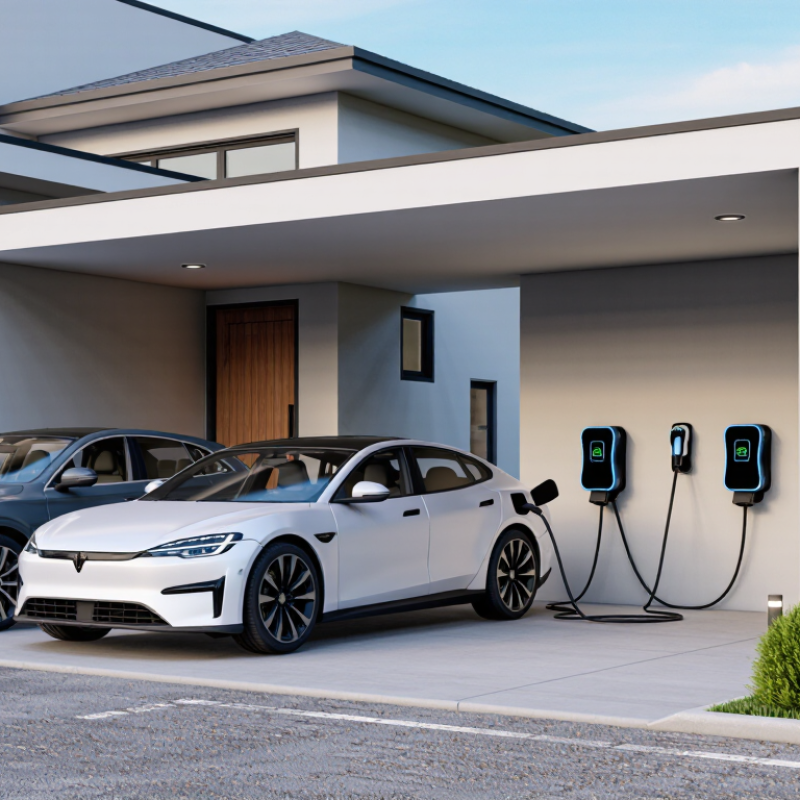
What a Home Car Charging Station Is and How It Works
What Is the Best Home Car Charging Station in 2026?
A home car charging station is a device that supplies electricity to an electric vehicle while it is parked. Most home units connect to a dedicated circuit and deliver power through a charging cable. Unlike a standard wall outlet, many stations can provide more power, helping shorten charging time.
It is not magic. The vehicle and charger communicate before charging begins, checking that the connection is secure and setting a safe power level.
When you plug in, the station sends electricity to the car’s onboard charging system, which converts it for the battery. Charging speed depends on the station, the vehicle’s limits, and the home’s electrical capacity. A qualified electrician can assess the panel and wiring before installation.
This detail matters. A powerful station cannot make a vehicle charge faster than its own system allows, and real charging times can vary with battery temperature and settings.
Tips: Check your vehicle’s connector and charging limits before choosing a station. Keep the cable reachable without stretching it across a walkway. If charging seems unusually slow, check the car’s settings and seek qualified help rather than guessing. I’ve seen people overlook cable placement; it seems minor until someone trips.
How Charger Types and Power Levels Affect Charging
For a home setup in 2026, the best charging station depends on your driving routine and your car’s charging limit. A standard 120-volt Level 1 outlet may work for short daily trips, but it replenishes range slowly. The U.S. Department of Energy’s Alternative Fuels Data Center estimates roughly 2–5 miles of range per charging hour with Level 1, compared with about 10–30 miles for Level 2. These are broad estimates, not promises.
A 240-volt Level 2 station is often the practical choice for households that drive farther or need an overnight recharge. Yet a unit’s advertised kilowatt rating does not tell the whole story. Your vehicle’s onboard charger, the home circuit, and the installation all limit actual power. One detail is easy to miss. A 9.6-kilowatt station cannot deliver that rate if the car accepts less.
Match the station to your ordinary week, not a rare road trip. If your car sits parked overnight and uses modest daily mileage, a lower-power Level 2 unit may be enough. A higher-power unit can help when several drivers share one charger, but it may require electrical upgrades. Charging speed also varies with battery temperature and vehicle efficiency. That makes range-per-hour estimates useful, but imperfect. Have a qualified electrician check the circuit capacity before choosing equipment.
What Is the Best Home Car Charging Station in 2026?
How charger types and power levels affect charging
What the chart shows: A standard 120 V outlet typically provides about 1.4 kW, while 240 V Level 2 setups commonly range from about 7.2 to 11.5 kW. For most drivers, Level 2 charging offers a practical balance of overnight charging speed and home convenience. Actual charging power depends on the vehicle’s onboard charger, the electrical circuit, and installation limits.
Which Features Matter When Comparing Home Chargers in 2026
A useful home charger should match your car, electrical system, and daily routine. Check the vehicle’s maximum AC charging rate before paying for higher output. A faster-rated unit may not charge your car any faster. Also confirm whether your panel can support the charger’s required circuit. A licensed electrician can assess capacity and installation needs.
Look beyond headline power. Cable length matters when the parking spot is awkward; measure the distance from the outlet or installation point to your car. Consider weather protection for outdoor use, clear status indicators, and load management if several large appliances run at once. Scheduling can help fit charging around your routine, but an app should not be essential for basic operation. Check independent safety certification, warranty terms, and support availability. Small details matter. I’d be cautious about paying extra for features you may rarely use.
Tips: Compare the charger’s output with your car’s limits and your home’s electrical capacity. Leave enough cable to reach the charging port without stretching it. Ask an electrician to verify the installation plan before purchase; estimates can change once the panel is inspected.
How Installation, Safety, and Vehicle Compatibility Shape Your Choice
A home charging station is only “best” when it fits your electrical panel, parking space, and vehicle. The U.S. Department of Energy’s Alternative Fuels Data Center reports that Level 2 equipment typically adds about 10–20 miles of range per charging hour. Actual speed depends on the vehicle’s onboard charger and circuit capacity. A higher-rated unit cannot make every car charge faster. Check the vehicle’s charging limit, connector type, and support for any approved adapter before buying.
Installation deserves equal attention. Ask a qualified electrician to assess panel capacity, wiring distance, and whether load management is needed. A charger beside a garage door may be convenient, but exposed wiring or a poorly protected outdoor outlet is not. Follow the equipment instructions and applicable local electrical requirements. DOE residential charging guidance also emphasizes using properly installed, dedicated equipment. Small details matter. I would still leave room for uncertainty: an older home may need upgrades that a quick online estimate misses.
Tips: Photograph the parking area and electrical panel before requesting quotes. Share your vehicle’s charging specifications with the electrician. Compare installation costs, weather protection, cable reach, and safety certification—not just charging speed.
What Is the Best Home Car Charging Station in 2026? — How Installation, Safety, and Vehicle Compatibility Shape Your Choice
| Charging setup | Approx. power | Typical circuit requirement | Estimated range added per hour | Installation and safety considerations | Vehicle compatibility and best fit |
|---|---|---|---|---|---|
| Level 1 portable charging | About 1.4 kW (120 V, 12 A) | Usually a properly grounded 120 V, 15 A circuit; verify the outlet and circuit condition. | About 4 miles (6 km) | Often needs no new circuit, but avoid extension cords and worn, loose, or heat-damaged outlets. Have questionable wiring inspected. | Works with vehicles that support AC charging and have a compatible charging cable or approved adapter. Best for low daily mileage or occasional charging. |
| Level 2, 16 A | About 3.8 kW (240 V, 16 A) | Typically a dedicated 20 A, 240 V circuit. | About 10 miles (16 km) | A suitable 240 V circuit and correctly rated equipment are required. Installation may be simpler where an appropriate circuit already exists. | Suitable for most plug-in vehicles with AC charging. A practical choice for modest daily driving and overnight charging. |
| Level 2, 32 A | About 7.7 kW (240 V, 32 A) | Typically a dedicated 40 A, 240 V circuit. | About 21 miles (34 km) | A common balance of charging speed and electrical demand. An electrician should confirm panel capacity, wire sizing, and any required permits. | A strong all-around option for many households. Charging speed may be limited by the vehicle’s onboard AC charger. |
| Level 2, 40 A | About 9.6 kW (240 V, 40 A) | Typically a dedicated 50 A, 240 V circuit. | About 26 miles (42 km) | Check the electrical panel’s available capacity. A hardwired installation can avoid reliance on a receptacle, while either setup must use properly rated equipment. | Best when faster overnight charging is useful and the vehicle can accept the additional AC power. |
| Level 2, 48 A | About 11.5 kW (240 V, 48 A) | Typically a dedicated 60 A, 240 V circuit; installation is commonly hardwired. | About 31 miles (50 km) | Highest electrical demand in this comparison. Confirm panel capacity, service limits, conductor sizing, and local code requirements with a qualified electrician. | Choose only if the vehicle’s onboard charger and home electrical system can make use of this output. Otherwise, a lower-current setup may charge just as quickly in practice. |
How to choose: For many homes, a Level 2 unit set to 32 A or 40 A offers a useful balance of overnight charging speed and installation demand. The charging estimates assume roughly 3 miles (4.8 km) of driving per usable kilowatt-hour and about 90% charging efficiency. Actual range varies by vehicle efficiency and conditions. Confirm that the connector matches the vehicle’s inlet, or use an adapter approved for that vehicle and charging setup. The vehicle’s onboard charger, not just the charging station, can limit AC charging speed.
How to Match a Charging Station to Your Home and Driving Needs
Choosing a home charging station starts with your routine, not its highest advertised output. Track your usual daily mileage and how long your car sits at home. A short commute with overnight parking may not need fast charging. The U.S. Department of Energy’s Alternative Fuels Data Center estimates Level 1 charging adds about 2–5 miles of range per hour, compared with roughly 10–20 miles for Level 2. That gap matters when you return late and need a fuller battery by morning.
Small detail, big consequence.
Check your home’s electrical capacity before choosing a unit. A licensed electrician can assess the panel, wiring, and installation route; a garage outlet may be convenient, while an outdoor parking spot needs suitable weather protection. The International Energy Agency’s Global EV Outlook 2024 reports that public charging points grew by more than 40% in 2023. That signals expanding charging demand, but it cannot determine what your home needs. A tidy specification sheet can still mislead. Think about future vehicle changes, installation costs, and whether your household can schedule charging during off-peak hours. If your driving varies, a model with adjustable output may help. Don’t pay for capacity you rarely use.