
What is the Best Industrial Hot Stamping Machine for Your Needs?
Choosing the right Industrial Hot Stamping Machine is crucial for business success. These machines are widely used for branding and product labeling. They provide a way to add shiny foil and vibrant colors to various materials.
However, selecting the best machine requires careful consideration. Factors like production volume, material compatibility, and desired features play a significant role. Not all machines are created equal. Some may struggle with thicker materials or high-speed production.
It's also important to think about maintenance and support. A reliable Industrial Hot Stamping Machine can save time and money in the long run. Yet, understanding the specific needs of your application is essential to making an educated choice.
Understanding Industrial Hot Stamping: An Overview of the Process
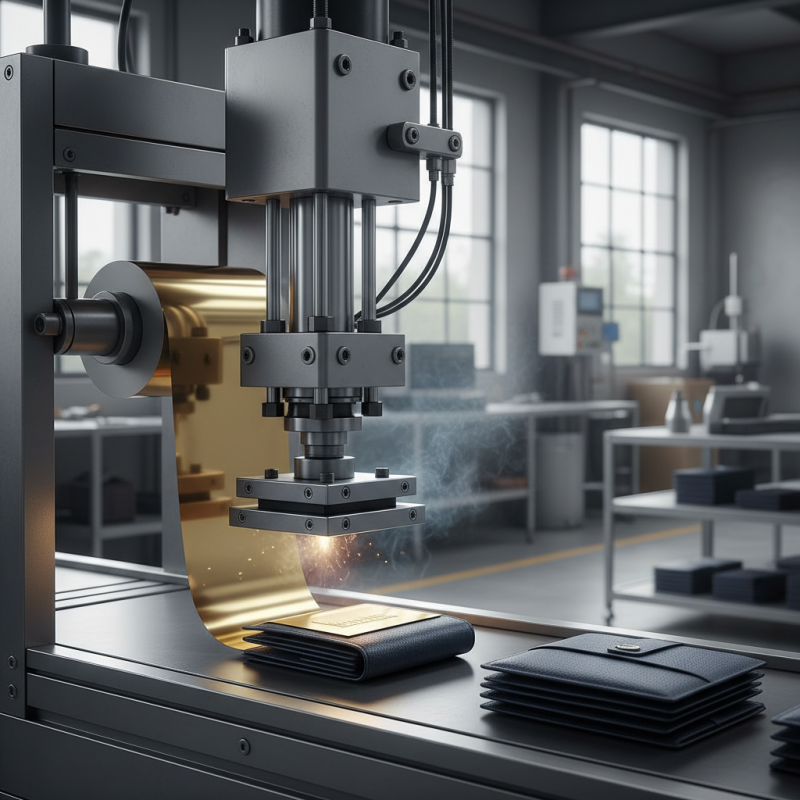
Industrial hot stamping is a fascinating process that has gained attention across various sectors. This technique involves using heat and pressure to transfer foil or other materials onto different surfaces. The result? A stunning, long-lasting print that enhances product appeal. Various materials can be stamped, including plastic, cardboard, and leather, making it versatile.
When exploring hot stamping, consider the factors that affect its effectiveness. Equipment temperature, pressure consistency, and time are crucial parameters. An incorrect setting might lead to poor adhesion or fading prints. Experimentation is often necessary to find the optimal combination. The learning curve can be steep, and not every attempt will yield perfection.
Understanding the nuances is critical. Inexperienced operators tend to overlook specific details, leading to subpar results. Keeping a journal of settings and outcomes may help track improvements. The journey through this process may not always be smooth, but it offers valuable insights into industrial applications and customer satisfaction.
Key Features to Look for in Hot Stamping Machines
When choosing a hot stamping machine, several features demand your attention. Start with the machine's heating method. A reliable heating source ensures consistent results. Look for machines with both block and foil options. This versatility can save time and resources.
Next, consider the unit's speed and ease of operation. A machine that is too complex can lead to mistakes. Ease of use should not come at the cost of precision. Seek models with adjustable settings for temperature and pressure. They allow for better control over the stamping process.
Durability is another key factor. Machines must withstand long hours of operation. Check for build quality and materials used. A robust design often correlates with reduced wear and tear. Remember that maintenance will play a critical role in performance longevity. Some users overlook this, leading to unexpected downtime.
Different Types of Hot Stamping Machines and Their Applications
Hot stamping machines come in various types, each designed for specific applications. The most common kinds include manual, semi-automatic, and fully automatic machines. Manual machines require human intervention for each cycle. They are ideal for small businesses or custom projects. However, they can be slow and labor-intensive, limiting production capacity.
Semi-automatic machines strike a balance between speed and human control. They often feature automated feeding mechanisms, which enhance efficiency. According to a report by Smithers Pira, the demand for semi-automatic hot stamping machines has grown by 15% annually over the past five years. This growth indicates a trend among businesses to increase production without sacrificing quality. On the other hand, fully automatic machines are designed for high-volume manufacturing. These can integrate with other production systems, providing seamless and efficient operations.
Applications of hot stamping machines vary widely. They are used in packaging, automotive components, and promotional items. In the packaging industry, hot stamping adds visual appeal and enhances brand recognition. A study by MarketsandMarkets highlighted a projected increase in the hot stamping market, driven by the packaging sector's need for high-quality finishes. Despite the benefits, not every machine fits every requirement. Businesses must evaluate their unique needs, production capacity, and budget.
Comparison of Different Types of Hot Stamping Machines
Evaluating Your Production Needs for Optimal Machine Selection
When selecting an industrial hot stamping machine, your production needs are crucial. Understand your materials, volume, and desired effects. Assess the types of components you will stamp. Different machines cater to varying substrates, such as plastics, metals, and paper. Each material may require specific temperatures and pressure settings. Knowing these details helps narrow down options.
Consider your production volume. If you have a high output demand, a semi-automatic or even automatic machine may be necessary. Manual machines suit smaller operations or prototyping. Scheduling regular maintenance can impact machine reliability. High-intensity use may lead to wear and tear, affecting performance over time.
Don't overlook scalability. A machine that meets today's needs may not support future growth. Evaluate how much you expect your production to increase. Flexibility in machine settings can be beneficial. Ultimately, the right hot stamping machine aligns with your operations, budget, and growth plans. Analyze these factors carefully for more effective decision-making.
What is the Best Industrial Hot Stamping Machine for Your Needs?
| Machine Model | Max Stamping Area (mm) | Production Speed (pcs/min) | Power (kW) | Weight (kg) | Material Compatibility |
|---|---|---|---|---|---|
| Model A | 200 x 250 | 20 | 3 | 150 | Plastic, Paper |
| Model B | 300 x 400 | 15 | 5 | 200 | Metal, Leather |
| Model C | 250 x 300 | 25 | 4 | 180 | Plastic, Cardboard |
| Model D | 180 x 220 | 30 | 2.5 | 120 | Paper, Plastic |
Budgeting and Cost Considerations for Hot Stamping Equipment
When considering the acquisition of an industrial hot stamping machine, budgeting becomes crucial. The initial price tag can vary widely based on features. A basic model might cost less, but may lack essential capabilities. More advanced machines, while pricier, typically offer better efficiency and higher quality. It's essential to weigh the cost against expected application benefits.
Operating costs should also be part of your budget plan. Think about maintenance, replacement parts, and energy consumption. Over time, these expenses can add up. Some machines may have hidden costs that aren't obvious at first glance. Investing in a reliable machine might mean lower operational costs in the long run.
Do not overlook training expenses associated with hot stamping equipment. Proper training ensures optimal use of the machine. However, training can be an unexpected budget strain. This investment in knowledge should enhance productivity. Reflect on whether to handle training internally or hire external experts. Balancing cost and effectiveness is key to a successful budgeting strategy.