


7 Best Pallet Banding Kits for Global Buyers

Choosing a Pallet Banding Kit is a small purchasing decision with consequences across storage, transport, and receiving. A loose strap can let cartons shift; an over-tight strap can crush a box edge. Buyers comparing the 7 best options should look beyond the kit price. Strap material, seal type, tensioning method, package size, and replacement-part availability all affect daily performance.

Professional context matters. The National Wooden Pallet & Container Association’s pallet-industry research and MHI’s annual supply-chain reports provide useful background on pallet use, handling, and operational change. They do not, by themselves, rank banding kits. That distinction matters. Product claims still need checking against specifications, trial runs, and the loads a facility actually ships. Marshall White, a recognized pallet-design researcher, has published extensively on pallet performance; his work offers a useful reminder to assess the complete unit load, not one component in isolation. I can’t verify a verbatim quote from him about Pallet Banding Kits, so attributing one here would be misleading.

Details decide. A steel strap may suit a demanding load, while polypropylene can be easier to handle for lighter packages. Yet neither is automatically right for every pallet. This guide compares practical kit features for global buyers, including tool compatibility, consumables, operator effort, and service support. Some recommendations will depend on local availability and actual load testing. That is worth admitting. A clear comparison helps purchasing teams shortlist options, ask suppliers sharper questions, and choose a kit that fits their real shipping conditions—not just a polished product page.
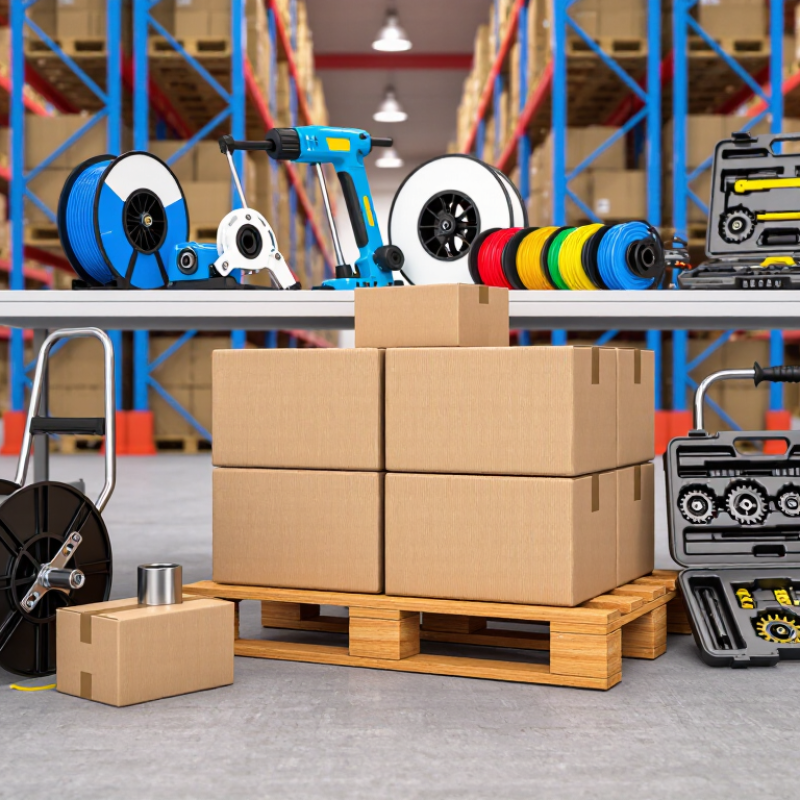
7 Best Pallet Banding Kits for Global Buyers

How Pallet Banding Kits Secure Loads in Global Shipping

Pallet banding kits help keep cartons, cases, or bundled materials together as a shipment moves through forklifts, cross-docks, and ocean containers. Bands resist load movement, while corner protectors spread pressure across carton edges. Tension matters: too little allows shifting; too much can crush packaging. It is a small adjustment with visible consequences.

The World Shipping Council’s 2024 report recorded 576 containers lost at sea in 2023, among roughly 250 million transported. That figure concerns containers, not pallet failures, but it shows the demanding environment around global freight. U.S. Federal Motor Carrier Safety Administration guidance also requires cargo securement systems to prevent shifting or falling during transport. For mixed or tall loads, combine banding with stretch wrap, suitable pallet strength, and a stable stacking pattern. Check band tension after wrapping and before dispatch. Still, a band is not magic. Moisture, weak cartons, and poor pallet condition can undermine a neat-looking load, and those details are easy to overlook.

Key Components and Strap Materials Used in Pallet Banding Kits

A pallet banding kit is more than a coil of strap. A practical set usually includes a dispenser, tensioner, cutter, and fastening method, such as seals or buckles. The strap carries the load; the tool controls tension. For light cartons, polypropylene strap is often easier to handle. Polyester strap suits heavier loads and can retain tension during transport. Steel strap is used when loads are rigid, dense, or exposed to sharp edges. It can also create a handling risk if cut carelessly. Small detail, big consequence.

Material choice matters at scale. PlasticsEurope’s Plastics – the Fast Facts 2023 report estimated global plastics production at 400.3 million tonnes in 2022, showing the vast material base behind plastic strapping. The World Steel Association reported 1,888.2 million tonnes of crude steel production in 2023; that figure is not specific to strapping, but highlights steel’s industrial availability. Buyers should still compare strap width, thickness, elongation, and joint strength, rather than choosing by material name alone. Match the kit to pallet weight, load shape, and transit conditions. Test a sample on a real pallet, too. Spec sheets rarely show awkward corners, uneven cartons, or rushed operators. One uncomfortable truth: the strongest strap cannot compensate for poor tensioning or an unstable load.

Criteria for Comparing the 7 Best Pallet Banding Kits

Comparing the seven best pallet banding kits starts with the load, not the tool price. Record pallet dimensions, approximate weight, and how often each load is handled. A compact manual kit may suit occasional shipments, while daily packing can justify a faster, more ergonomic setup. Check that the tensioner, cutter, seals, and dispenser are included. Missing pieces can slow a packing line.

Strap compatibility matters. Compare each kit’s supported strap width and material with your shipment needs. Polypropylene is often practical for lighter, stable loads; polyester can provide more holding strength for heavier loads. Confirm the tool can create consistent tension without crushing cartons or shifting stacked goods. Try a sample pallet if possible. Watch the corners.

For global purchasing, compare replacement-part availability, clear operating instructions, and the supplier’s response time across time zones. Ask about spare blades and tensioner repairs, not just the initial kit contents. A low-priced kit may cost more if parts are difficult to source. Also consider storage: a dispenser with a stable base is easier to manage on a busy floor. I would not rank a kit on specifications alone; operator comfort is harder to judge on paper, and one test shift can reveal problems the product sheet misses.

How to Match a Kit to Cargo, Shipping Volume, and Destination

Start with the cargo, not the tool. A light carton load may need a different strap width and tension than dense timber or stacked metal parts. Check the pallet’s weight, shape, and sharp edges. Fragile cartons may need corner protectors to prevent straps from crushing them. For heavier loads, a tensioner and separate sealer can offer better control than a simple hand tool. Small details matter.

Shipping volume changes the best kit, too. Occasional shipments may suit a manual kit with a few strap coils and buckles. A busy packing area may benefit from a dispenser that keeps the strap off the floor and reduces tangles. Match the strap material to the cargo and route: polyester is often chosen for its flexibility, while steel may suit rigid, heavy loads. Confirm that the tools fit the strap width and seal type before ordering. It is easy to overbuy.

Destination conditions deserve a closer look. Long ocean or road journeys can expose pallets to moisture, temperature shifts, and repeated handling. Ask the carrier or packaging specialist about expected transit conditions, then test a strapped sample load when practical. Include replacement seals and a spare cutter if shipments are time-sensitive. A kit can look right on paper and still feel awkward on the packing line. Reconsider the choice after a few real loads.

Import, Safety, and Maintenance Factors for Global Buyers

Choosing a pallet banding kit for international shipments starts with the load, not the catalogue photo. Check strap width, thickness, and material against pallet weight and shipping conditions. A kit that works well in a dry warehouse may be awkward on a humid dock. Confirm what the package includes: tensioner, sealer, cutter, battery, charger, and spare parts. Small details matter. For imports, ask the supplier for clear product specifications, packing lists, and operating instructions. Confirm tariff classification and import requirements with a qualified customs professional; assumptions can become costly delays. Also check charger voltage and plug compatibility before ordering.

Safety depends on the whole packing process. Workers should be trained to tension straps without placing hands in the recoil path, and to cut them while controlling loose ends. Use gloves and eye protection where the task’s risk assessment calls for them. Corner protectors can help prevent straps from crushing cartons. They are easy to forget. Inspect seals, blades, tensioning parts, and battery condition on a regular schedule. Keep the kit clean and dry, and replace worn components rather than forcing a poor seal. Maintenance intervals vary by use, so follow the instructions and record recurring faults. I would not assume that a heavier-duty tool is automatically safer; fit, training, and consistent checks matter just as much.

7 Best Pallet Banding Kits for Global Buyers — Import, Safety, and Maintenance Factors
Kit Type Typical Use Strap Compatibility Import and Logistics Factors Safety Considerations Maintenance Priorities Best Fit
Manual polypropylene (PP) kit Light-duty pallet loads and occasional strapping; typically includes a tensioner, sealer, seals, and a strap dispenser. PP strap; width and thickness must match the tool, seals, and stated load requirements. Usually compact and straightforward to ship. Confirm kit contents, spare seals, strap-roll dimensions, and the applicable customs classification with a broker. Use a safety cutter and eye protection. Keep hands clear of tensioned strap, which can recoil when cut. Remove strap dust, inspect the cutter and tensioning parts, and keep moving parts clean and lubricated as directed. Small warehouses, low-volume operations, and buyers seeking a portable, low-complexity option.
Manual polyester (PET) kit Medium- to heavy-duty pallet loads where a tougher plastic strap is preferred over PP. PET strap; confirm the tool’s approved strap width and thickness before ordering. Check roll weight and dimensions for freight planning. Confirm that the tensioner and seal type are compatible with the selected strap. High tension can create snap-back hazards. Secure the load, stand clear of the strap path, and use suitable hand and eye protection. Inspect jaws, feed wheels, and seals for wear; remove PET dust and replace worn components promptly. Businesses that strap heavier or more demanding loads but still need a manual setup.
Manual steel-strapping kit Heavy, rigid, or high-temperature loads for which steel strapping is specified. Steel strap; tool, seal, and strap dimensions must match. Steel edges and cut ends require careful handling. Steel coils and tools can add significant shipment weight. Check packaging protection, corrosion prevention, and local import classification. Wear cut-resistant gloves and eye protection. Steel strap can have sharp edges and may recoil forcefully when released. Check cutting edges, tensioning parts, and sealers regularly; keep tools dry and inspect for rust or deformation. Industrial users with heavy-duty requirements and trained operators.
Pneumatic combination-tool kit Frequent strapping in a fixed packing area with access to compressed air. Typically PET or PP, depending on the tool model; verify strap dimensions and air-pressure requirements. Confirm air fittings, operating-pressure specifications, and any included compressor or hose. Pneumatic equipment may need additional setup at the destination. Use within the specified air-pressure range. Disconnect the air supply before cleaning, clearing jams, or servicing the tool. Drain moisture from the air line, clean the tool, inspect hoses and fittings, and follow the maintenance schedule. High-throughput sites that already have a suitable compressed-air system.
Battery-powered PP/PET kit Portable strapping across multiple work areas without a fixed air line. PP or PET as specified by the tool; check the permitted strap dimensions and tension settings. For lithium-battery shipments, confirm UN 38.3 test-summary availability and comply with carrier and destination-country battery transport rules. Check charger voltage and plug compatibility. Train operators on tool-specific tension and weld settings. Keep hands away from moving parts and the strap-release path. Inspect and clean the weld and feed areas; check battery condition, charger, and consumable wear parts. Mobile operations that need powered tensioning and sealing without pneumatic infrastructure.
Semi-automatic tabletop strapping kit Repeated bundling or strapping of smaller packages and selected pallet-preparation tasks at a packing station. Generally PP strap within the machine’s specified width and thickness range; confirm package and bundle size limits. Consider machine footprint, crate dimensions, gross weight, power supply, and destination voltage before shipment. Keep hands clear of the strap channel and sealing mechanism. Use guards and follow the machine’s operating instructions. Clean the strap path, inspect the heater and feed components, and check tension and seal quality during routine operation. Pack stations with repeatable volumes and consistent package sizes.
Mobile pallet strapping kit Strapping full pallets in aisles, loading areas, or locations where a stationary machine is impractical. Often configured for PET or PP; confirm whether the system supports the intended strap width, thickness, and pallet geometry. Check the assembled unit’s dimensions, shipping configuration, spare-parts availability, and any battery or electrical requirements. Assess stability on the work surface, maintain clear travel paths, and keep personnel outside the tensioned strap zone. Inspect wheels, guides, controls, and strapping components; clean debris from the strap path and check wear before use. Warehouses that strap pallets at multiple locations and need equipment that can be moved between work areas.

Buyer note: Compatibility, included accessories, strap dimensions, and machine specifications vary by model. Verify technical documents, destination-country electrical requirements, customs classification, and applicable workplace-safety rules before placing an import order.