

Ultimate Cabin Filter Tips for a Healthier Driving Experience?
Driving is an essential part of daily life. However, many overlook the importance of the Cabin Filter. A clean cabin filter plays a crucial role in maintaining air quality inside your vehicle. According to the Environmental Protection Agency (EPA), indoor air pollution can be greater than outdoor levels. This is concerning, given that people spend an average of 1.5 hours in their cars daily.
Research shows that a clogged cabin filter can reduce airflow by over 50%. This reduction impacts not only comfort but also health. Allergens, dust, and pollutants can accumulate in the cabin, aggravating conditions like asthma or allergies. Surprisingly, many drivers neglect regular maintenance of their cabin filter. This oversight can lead to unpleasant odors and unhealthy air quality.
Changing your cabin filter regularly is vital for a healthier driving experience. Experts recommend replacing it every 12,000 to 15,000 miles. Yet, many drivers wait longer, which can be risky. It’s easy to forget about a small component, but its role is paramount for well-being on the road. Remember, your vehicle's cabin should be a sanctuary, not a source of discomfort.
Understanding the Function of Cabin Filters in Vehicles
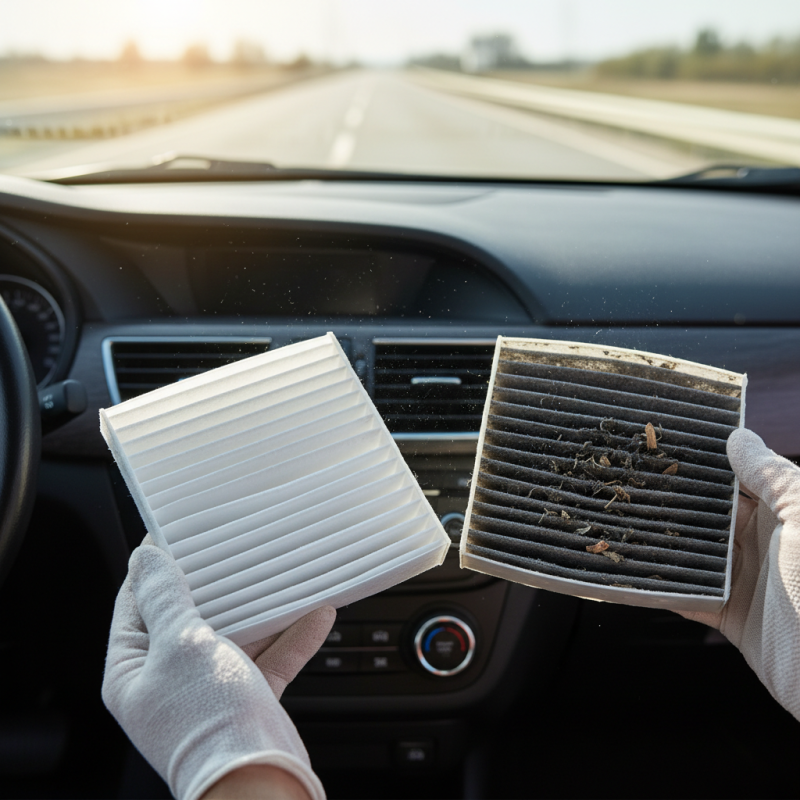
Cabin filters play a vital role in ensuring clean air inside your vehicle. They capture dust, pollen, and other allergens before they enter the cabin. A properly functioning filter helps maintain a healthier driving environment. Dirty filters can lead to musty odors and reduced air quality. This can trigger allergies and respiratory issues for some passengers.
Over time, cabin filters can become clogged with debris. Regular inspection is key to keeping them effective. Many people forget about this crucial component. It’s easy to overlook until a problem arises. Sometimes, a simple inspection can reveal a filter that's overdue for replacement. Airflow might decrease, making your HVAC system work harder.
Drivers need to be aware of their cabin filter's condition. Routine replacements are often recommended every 12,000 to 15,000 miles. However, your driving conditions may require more frequent changes. If you frequently drive in dusty areas, check it more often. Keeping track of this small maintenance task enhances overall vehicle health. A cleaner cabin leads to a more pleasant driving experience.
Ultimate Cabin Filter Tips for a Healthier Driving Experience
| Filter Type | Function | Replacement Frequency | Benefits |
|---|---|---|---|
| Activated Charcoal Filter | Removes odors and harmful gases | Every 15,000 miles | Improves air quality, reduces bad smells |
| Particulate Filter | Captures dust, pollen, and other particles | Every 12,000 miles | Enhances cabin air quality, reduces allergens |
| Electrostatic Filter | Uses static electricity to attract particles | Every 6 months | Very effective at filtering small particles |
| Washable Filter | Reusable filter, can be cleaned | Wash every 20,000 miles | Cost-effective, sustainable choice |
Signs That Your Cabin Filter Needs Replacement
A cabin filter plays a crucial role in ensuring clean air inside your vehicle. It filters dust, pollen, and other contaminants from the air. However, not all drivers understand when it’s time for a replacement. One telling sign is decreased airflow through the vents. If you notice this, your filter may be clogged. Poor airflow affects the effectiveness of your heating and cooling systems.
Another indicator is persistent odors. A trapped filter can harbor mildew and dust. These particles lead to unpleasant smells when you turn on the air conditioning. According to a recent study, nearly 30% of drivers overlook filter maintenance, resulting in compromised air quality.
Check your filter regularly if you live in a high-pollen area. Experts recommend changing it every 15,000 to 30,000 miles. Contaminated filters not only aggravate allergies but can also affect your car’s performance. Trade-offs in air quality can have negative health impacts, especially for those with respiratory issues. Ignoring signs can lead to costly repair bills down the line. Regular maintenance is key to a more enjoyable driving experience.
Step-by-Step Guide to Replacing Your Cabin Filter
Replacing your cabin filter is key for a healthier driving experience. It helps purify the air inside your car. Over time, dust and debris accumulate. A clogged filter can lead to unpleasant odors and reduced airflow. Checking your filter regularly is essential.
To replace your cabin filter, start by locating it. Most vehicles have it behind the glove compartment. Remove the compartment for easy access. Once you have it, pull out the old filter gently. Take note of its orientation. Installing the new filter in the same way is crucial for proper airflow.
Before closing everything up, give the compartment a quick clean. Dust can settle there, too. It’s easy to overlook this step. Finally, close the glove compartment and check if it opens and closes smoothly. Reflect on the air quality while driving. A small task like this can make a big difference.
Benefits of Regular Cabin Filter Maintenance for Health
Regular cabin filter maintenance can greatly enhance your driving experience. A clean filter ensures that you breathe in fresh air while on the road. Dust, pollen, and pollutants can accumulate over time, impacting air quality inside your vehicle. If you notice musty odors or reduced airflow, it might be time to check your cabin filter.
Replacing the cabin filter is often overlooked but crucial for health. Poor air quality can trigger allergies and respiratory issues. You might feel fine now, but neglecting the filter can lead to problems later. Many drivers wait until they notice a drastic change. This reactionary approach may not be wise. Take a proactive stance to support your well-being on every journey.
Consider personal habits as well. Do you frequently drive with windows down? Dust can easily enter. This habit can quickly pollute an already compromised filter. It’s essential to regularly inspect your vehicle’s system. Even a small change in air quality can affect your mood and concentration. Prioritize the cabin filter, and you’ll notice the difference. Your health deserves attention while driving.
Choosing the Right Cabin Filter for Your Vehicle's Needs
When choosing the right cabin filter, vehicle owners often overlook critical factors. A study by the Institute of Automotive Engineering revealed that over 50% of drivers do not replace their cabin filters regularly. This neglect can lead to reduced air quality inside the vehicle. Dust, pollen, and pollutants can accumulate. This can exacerbate allergy symptoms and even affect overall health during drives.
Different vehicles require different filters based on their systems. Standard filters primarily block dust and pollen, but premium filters can trap smaller particles and even odors. According to a report by the Environmental Protection Agency, vehicles equipped with high-efficiency particulate air (HEPA) filters can reduce airborne particles by up to 99%. This is vital for those who spend long hours in their cars.
While selecting a cabin filter, consider not just **compatibility** but also driving conditions. If you often drive in urban areas with high pollution, a robust filter is essential. Many drivers disregard the maintenance schedule and replace filters too infrequently. This can hinder the HVAC system's efficiency. Over time, a clogged filter can result in reduced air circulation and undesirable odors. Regular checks can reveal when it’s time for a change.