How to Choose the Right Metallurgical Bridge Crane for Your Needs?
Choosing the right Metallurgical Bridge Crane is crucial for any industrial operation. It can significantly influence productivity and safety. With various options available, making an informed decision can be overwhelming.
A Metallurgical Bridge Crane is designed for heavy-duty lifting and transportation. Consider factors like load capacity, span, and height. The materials used also matter. They should withstand extreme conditions. Many users overlook these details, which can lead to costly mistakes.
Reflect on your specific needs. Each operation is unique, and a single solution may not fit all. Asking the right questions is vital. Are you lifting molten metal? Do you require precise control? Taking time to evaluate your requirements will enhance your investment in a Metallurgical Bridge Crane.
Understanding Metallurgical Bridge Cranes and Their Applications
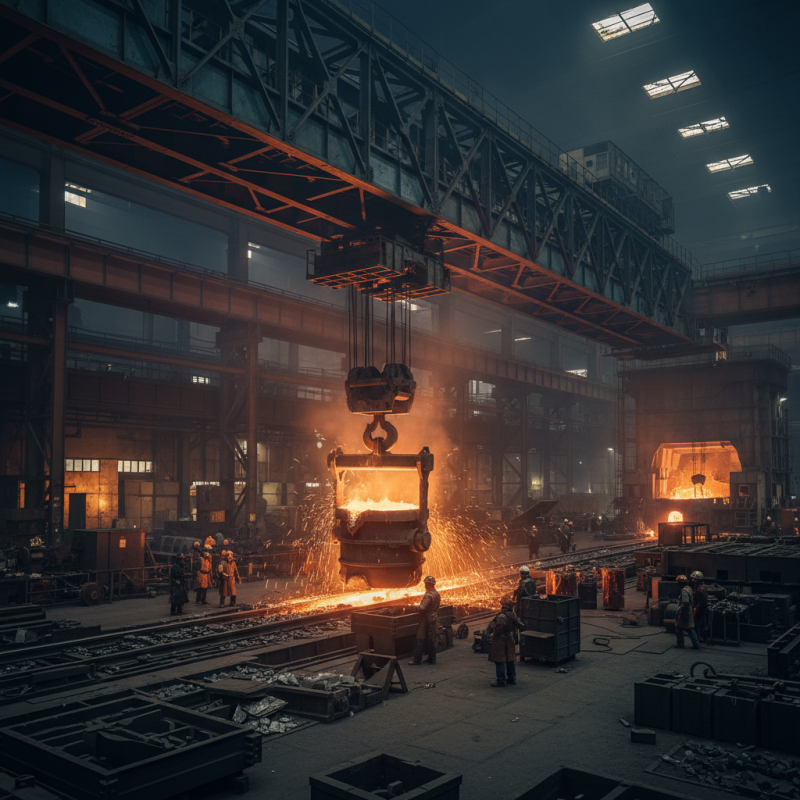
Metallurgical bridge cranes play a crucial role in heavy-duty applications. These cranes are designed for lifting and moving molten metal, steel, and other heavy materials. They are built robustly to withstand high temperatures and harsh environments.
When selecting a metallurgical bridge crane, consider its load capacity. Ensure it can handle your heaviest loads. Evaluate the span of the crane; it must reach all areas where you need to move materials. The height of the lift is also vital. It should accommodate your workspace without risking damage.
Tips: Always consult with experts. They can give insights specific to your operations. Analyze your facility layout. This understanding helps in fitting the crane seamlessly. Regular inspections are essential. They keep your equipment functional and safe.
The controls and operation method should also fit your team’s needs. Some prefer manual controls, while others favor automation. It’s about finding the right balance for efficiency. Think about maintenance requirements, too. A crane that is hard to maintain can become a liability over time.
Selecting the right metallurgical bridge crane isn’t just about specs. It’s about ensuring safety, efficiency, and longevity. Take your time to assess all factors. Your choice can impact productivity significantly.
Key Factors to Consider When Selecting a Metallurgical Bridge Crane
When selecting a metallurgical bridge crane, several key factors come into play. Capacity is paramount. Assess the maximum load you need to lift. This should be based on actual usage, not estimates. An oversized crane can be costly, while an undersized one may lead to safety risks.
The structure and design are also critical. Different materials can affect stability and strength. Consider the environment where the crane will operate. If it's a harsh setting, corrosion-resistant materials may be necessary. Additionally, the height and span should match the facility's layout to optimize workflow.
Finally, while technology is vital, usability shouldn’t be overlooked. Complex features might look appealing, but they require proper training. Evaluate the staff’s existing skills. An overly complicated system can lead to mistakes. Always weigh the pros and cons of advanced features against ease of use.
Evaluating Weight Capacity and Span Requirements for Your Operations
When selecting a metallurgical bridge crane, weight capacity and span requirements are critical. First, assess the materials you'll be lifting. Heavy loads require a crane with a robust capacity. For example, if you're moving steel beams, you need a crane rated well above their weight.
Tip: Always overestimate your weight capacity needs. It’s better to have extra capacity than to risk overloading.
Span requirements also matter. Measure the area where the crane will operate. Ensure there's enough clearance for all tasks. Narrow spaces may limit your options. You might find that a longer span offers better efficiency. However, this can mean a more complex installation.
Tip: Review your layout and workflow. A well-planned setup can save you time and safety issues later. Consider potential obstructions in your workspace. If you miss these details, it may affect crane performance significantly.
Choosing the right crane is about balancing your unique requirements with available options. A thoughtful approach will help you select the best crane for your operations.
Assessing Safety Features and Compliance Standards for Cranes
When selecting a metallurgical bridge crane, safety features are paramount. These cranes handle heavy loads, and any failure can lead to severe accidents. Check for automatic shut-off systems and overload protection. These features help prevent dangerous situations caused by human error.
Compliance with industry safety standards is crucial. Local regulations vary, but they often outline testing and maintenance procedures. Look for cranes that meet these guidelines. Documentation proving compliance is vital. However, relying solely on compliance can be misleading. Some products may claim to meet standards yet lack effective safety mechanisms.
Inquire about user training and support. Proper training reduces accidents significantly. A crane that is easy to operate can mislead operators into complacency. Ensure that ongoing education is available. Cultivating a safety-first mindset among staff is essential. Often, it’s the human element that creates vulnerabilities in the system. Testing the crane's features regularly can uncover hidden flaws, reminding us that vigilance is key to safe operations.
Maintenance and Durability Considerations for Long-Term Use
When choosing a metallurgical bridge crane, maintenance and durability are crucial factors. A crane that can withstand heavy use is essential for industries like steel and metal production. Look for cranes built with high-quality materials. These materials resist wear and reduce the need for frequent repairs. Regular inspections can help identify issues early. This proactive approach minimizes downtime.
Tips: Inspect cables regularly. Look for fraying or wear. Replace them when necessary. Also, ensure that moving parts are lubricated often. This will help avoid unexpected breakdowns.
Consider the environment where the crane will operate. Extreme temperatures or humidity can impact durability. Ensure that you select appropriate coatings and finishes to protect against corrosion. Keep in mind that even the best cranes require maintenance. Wear and tear is a part of life, but how you manage it matters.
Tips: Schedule routine maintenance checks. It is better to be proactive than reactive. Keep a log of wear on critical components. This can provide insight into performance trends. Regularly updating your maintenance strategy can also prolong crane life.
Maintenance and Durability Considerations for Metallurgical Bridge Cranes