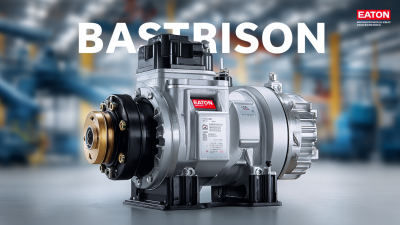

How to Choose the Right Eaton Hydraulic Motors for Your Applications?
Choosing the right Eaton Hydraulic Motors for your applications can be challenging. These motors are essential in various industries such as manufacturing, construction, and agriculture. Each application has unique demands, which makes selection crucial.
Eaton Hydraulic Motors come in different types, sizes, and specifications. Understanding your system’s requirements is vital for optimizing performance. Factors like flow rate, torque, and efficiency play significant roles in your choice. It’s easy to overlook details, leading to inefficiency or equipment failure.
Selecting the wrong model might lead to operational issues. It is important to engage in thorough research and analysis. Evaluating your needs and consulting experts can provide clarity. Reflecting on your choices will help avoid costly mistakes. With the right information, you can maximize the benefits of Eaton Hydraulic Motors in your operations.
Understanding the Different Types of Eaton Hydraulic Motors
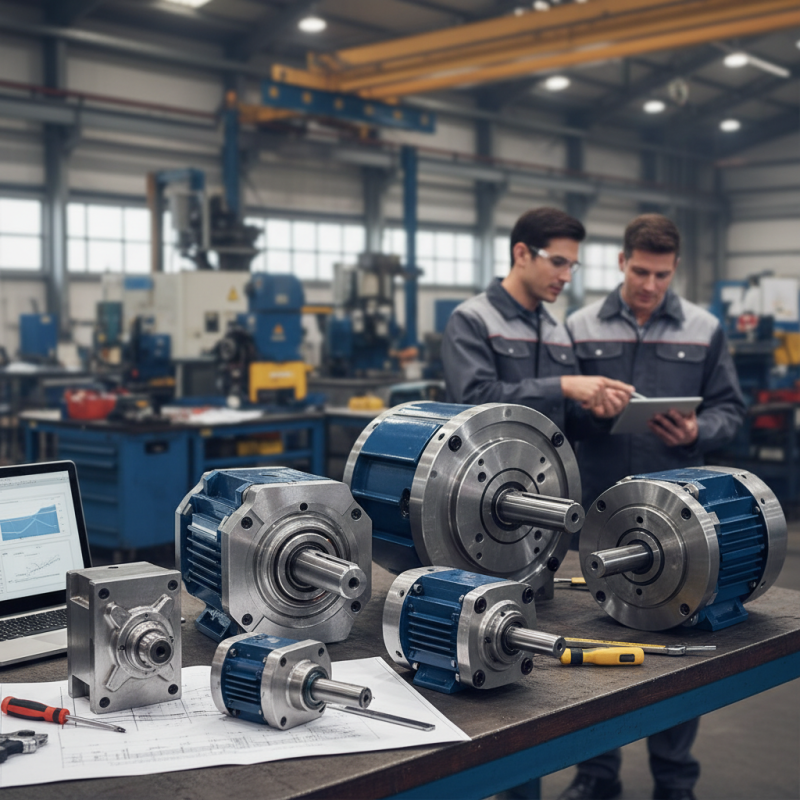
When choosing hydraulic motors, it's vital to understand the different types available. Various designs cater to distinct needs. For instance, gear motors, often compact, provide high torque at low speeds. They are efficient and reliable in many settings, but might not offer the flexibility needed for variable applications.
Piston motors deliver high performance but have a more complex design. They excel in high-pressure and high-speed environments. However, this complexity can make maintenance challenging. This nuance is crucial for operators to consider. Vane motors offer a middle ground, balancing speed and torque. They can be versatile but may have limitations in extreme conditions.
It’s important to match the motor type to the specific application requirements. Each motor’s characteristics can impact overall efficiency and performance. Sometimes, experience with one type may lead to overlooking another that better suits the task. Evaluating all options deeply can prevent potential issues down the line. Using the right motor not only enhances performance but also prolongs the system's life.
Key Specifications to Consider When Choosing Hydraulic Motors
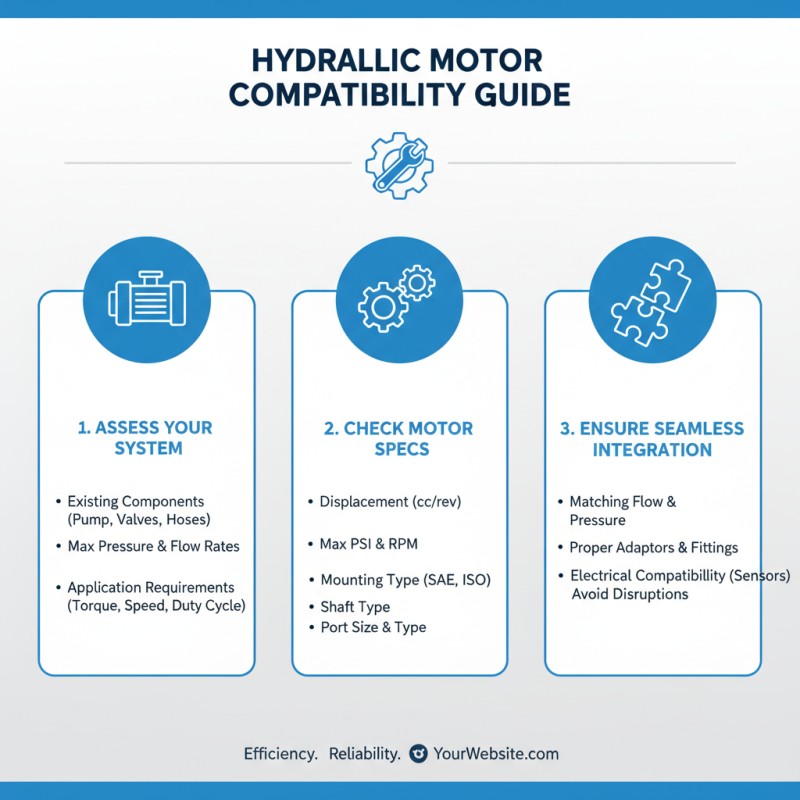
When selecting hydraulic motors, understanding key specifications is crucial.
Motor speed is a primary factor. Most applications require a specific speed range for optimal performance.
For instance, many motors operate efficiently between 500 and 3000 RPM. Too high or low can lead to inefficiencies, affecting system performance.
Torque is another critical specification. The necessary torque often depends on the load characteristics of your application.
Many hydraulic motors provide torque ratings ranging from 5 to 3500 Nm. An incorrect torque rating can result in motor failure or performance issues.
Efficient heat management should not be overlooked. Hydraulic motors often face varying temperature ranges.
Reports indicate that temperatures over 80°C could reduce system lifespan significantly. While high-performance materials may resist heat better, the initial costs are higher.
Balancing efficiency and budget is often challenging. Making informed choices requires careful evaluation of these specs.
Evaluating Performance Needs for Specific Applications
Selecting the right hydraulic motor can be challenging. It’s essential to evaluate your specific performance requirements before making a decision. Consider the speed and torque needed for your application. Different tasks require different levels of power. Knowing your load demands will lead to better performance and efficiency.
**Tip:** Always test a motor under actual working conditions. Gather data on its performance first. This may reveal unexpected issues. You might find that a motor rated for your needs does not perform as expected when pushed to its limits.
Also, think about the environment where the motor will operate. Temperature and humidity can impact performance. If your application involves harsh conditions, ensure the motor is built for resilience. Look into motors designed to withstand high stress or extreme temperatures.
**Tip:** Consult with experts if you encounter uncertainties. They can help identify motors that suit unique applications. Their experience might highlight details you’ve overlooked. Always be open to reconsidering your choices based on feedback and performance data.
Compatibility with Existing Hydraulic Systems and Components
Choosing the right hydraulic motor for your system requires careful consideration of compatibility. Each motor must seamlessly integrate with existing components. Check the specifications of your current system. This ensures that the new motor will work efficiently without causing disruptions.
Compatibility also means understanding the dimensions and mounting options. A motor that does not fit well can lead to alignment issues. These problems may result in reduced performance or frequent maintenance. Pay attention to the hydraulic fluid type as well. Different motors may require specific fluids for optimal operation.
Evaluating your system's pressure and flow requirements is equally important. A mismatch can lead to system failure. Experimenting with different models might seem appealing, but it can also be risky. Take the time to analyze system performance thoroughly. It’s better to invest in a motor that fits well than to deal with unnecessary complications later on.
Maintaining and Troubleshooting Eaton Hydraulic Motors for Longevity
Maintaining hydraulic motors is crucial for optimal performance. Regular maintenance can help prevent costly repairs. According to industry reports, up to 30% of hydraulic motor failures are due to inadequate maintenance. Simple checks, like oil levels and cleanliness, can make a huge difference.
Tips: Regularly inspect the system for leaks. Even minor leaks can lead to significant efficiency drops.
Another common issue is overheating. Excessive heat can shorten the lifespan of hydraulic motors. Operating at high temperatures may reduce performance and lead to mechanical failure. Monitoring temperature can help identify issues early.
Tips: Consider installing temperature sensors to track operating conditions.
Remember to maintain the hydraulic fluid. Contaminated fluid can cause wear and tear. Field data shows that nearly 50% of hydraulic system failures are linked to fluid contamination. Correct filtration and regular changes are essential for longevity.
Tips: Use quality filters and replace them according to the manufacturer's recommendations. Some companies neglect the importance of this step, often leading to avoidable breakdowns.
Hydraulic Motor Performance Metrics
Related Posts
-
Understanding Industry Production Standards for Best Eaton Hydraulic Motors
-
Mastering Eaton Hydraulic Motors A Comprehensive Guide for Beginners
-
Future Trends in Best Hydraulic Pump Market Analysis for 2025 Business Growth Insights
-
Exploring Innovative Alternatives to Traditional Hydraulic Pumps and Motors for Global Buyers
-
Top 10 Tyrone Hydraulic Pump Manufacturers from China at the 137th Canton Fair
-
Unlocking the Benefits of Efficient Tractor Hydraulic Pumps for Your Agricultural Needs