How to Choose the Best Inspection System for Your Business?
Choosing the right Inspection System for your business can be a daunting task. There are many factors to consider, and not every system will meet your specific needs. Many businesses struggle with finding the perfect fit. Often, they invest time and resources, only to realize their choice was not optimal. This can lead to operational inefficiencies and increased costs.
A well-chosen Inspection System enhances quality control and reduces errors. It ensures your products meet industry standards. When selecting a system, it's crucial to evaluate your unique requirements. Compatibility, scalability, and accuracy should be high on your list. You may also need to consider your available budget.
Investing in the right Inspection System can redefine your operations. However, it's equally important to learn from the choices you make. Sometimes, what works for one business might not work for another. Reflecting on past decisions can lead you to a better understanding of your specific needs.
Understanding Your Business Needs for Inspection Systems
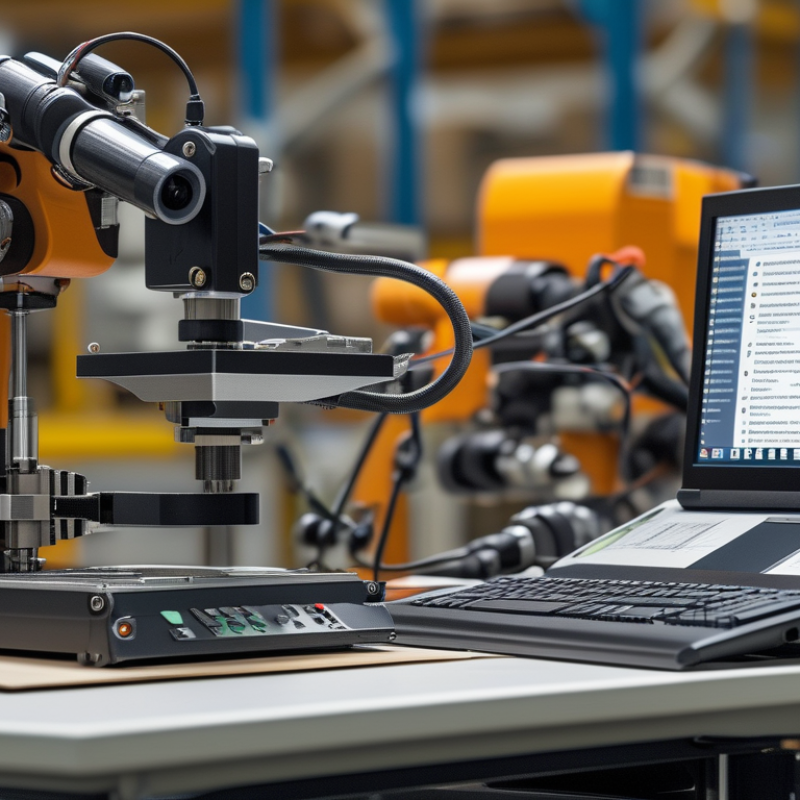
Choosing the right inspection system for your business starts with a clear understanding of your specific needs. Each industry has unique requirements. For example, manufacturers may prioritize speed and accuracy, while food processing industries may focus on safety and compliance. Identifying these needs can significantly influence your decision.
Consider the various types of inspection systems available. These may include Vision Systems, gauges, or automated solutions. Reflect on how each aligns with your operational goals. Evaluate the environments in which these systems will be deployed. Factors such as lighting, space constraints, and product variability can impact system performance.
Moreover, involve your team in the decision-making process. Their expertise can provide valuable insights into daily challenges. Assessing workflow integration and potential disruptions is essential. A system that seems perfect on paper may not fit your actual operations. Taking a reflective approach will help ensure that your chosen system meets both current and future needs.
Comparing Different Types of Inspection Technologies
Choosing the right inspection technology is crucial for operational efficiency. Various types of inspection systems cater to diverse business needs. Visual inspection systems, for example, utilize cameras to detect defects in real-time. These systems can be highly effective but require careful calibration.
Automated inspection systems often rely on machine learning algorithms. They improve accuracy over time by learning from previous inspections. However, they can sometimes overlook subtle issues. It’s essential to regularly evaluate the data they produce.
Conversely, manual inspection methods provide the human touch. Trained inspectors can identify flaws that machines might miss. Yet, this approach can lead to variability in quality. Balancing automation with human oversight often yields the best results. Evaluating the effectiveness of different technologies is an ongoing process. Tailoring your approach based on observed results is key to success.
Evaluating Cost vs. Benefit of Inspection Systems
When evaluating inspection systems, cost versus benefit is crucial. The right system can save money in the long run. But upfront investment can be significant. Businesses must analyze immediate costs against potential savings. Consider factors like efficiency and accuracy. Higher initial costs may lead to better quality control and fewer defects.
Tips: Always assess your specific needs. A generic system may not address unique challenges. Engage with specialists who understand your industry. They can provide insights tailored to your situation. Look for systems that offer scalability. Flexibility ensures that your investment remains valuable as your business grows.
Evaluate the long-term benefits. Sometimes, cheaper options lead to higher maintenance costs. Reflect on how these systems impact overall productivity. Improve inspection processes, which can enhance customer satisfaction. Weigh these qualitative aspects along with numbers when making your decision. Remember, investing wisely today can pay off significantly in the future.
Assessing Ease of Use and Integration in Your Current Workflow
When selecting an inspection system, integrating it into your existing workflow is crucial. A system should complement processes, not complicate them. Look for user-friendly software that your team can quickly adapt to. Complicated systems can create friction and resistance, slowing down productivity.
Assess the compatibility of the new system with your current tools. A seamless blend minimizes disruptions. Consider the learning curve involved. If training takes too long, it can lead to frustration and errors. Sometimes, the promise of advanced features can overshadow practicality. Simple solutions often yield the best results. Don’t overlook employee feedback; their insights can identify potential pitfalls.
Evaluate how the system handles data within your operations. Is the integration intuitive? Can it support your team’s daily tasks without extensive modification? Analyze these aspects carefully. A solid inspection system should enhance workflow rather than hinder it. Keeping an open mind and being willing to adjust your approach is essential for success.
Survey Results: Ease of Use and Integration of Inspection Systems
Analyzing Vendor Support and Maintenance Options for Longevity
When selecting an inspection system, vendor support and maintenance options are vital. A reliable support framework can make a significant difference in your operations. Evaluate how vendors respond to queries and technical issues. A quick response can save valuable time. Long wait times or lack of assistance indicates potential problems.
Maintenance also plays a crucial role in system longevity. Regular updates and checks can prevent malfunctions. Ask vendors about their maintenance schedules. Are they proactive or reactive? Some vendors offer comprehensive care plans, while others may not support legacy systems effectively. Make sure you understand the implications of each option.
Consider the experiences of other businesses. Customer reviews can shine a light on vendor support quality. Personal accounts can reveal issues you might not anticipate. Engaging in forums or industry groups can help you gather insights. Seeking feedback from peers provides context and can highlight what works and what doesn’t.
How to Choose the Best Inspection System for Your Business? - Analyzing Vendor Support and Maintenance Options for Longevity
| Feature | Option A | Option B | Option C |
|---|---|---|---|
| Initial Cost | $5,000 | $7,500 | $6,000 |
| Annual Maintenance Fee | $600 | $750 | $500 |
| Support Response Time | 24 hours | 12 hours | 8 hours |
| Training Provided | Comprehensive | Limited | Intermediate |
| Warranty Period | 3 years | 2 years | 5 years |
| Customer Ratings | 4.5/5 | 4.0/5 | 4.7/5 |