
How to Choose the Right Ball Bearing for Your Project?

Choosing the right Ball Bearing is crucial for any project. These small yet vital components play a significant role in many mechanical systems. Recent industry reports indicate that the global ball bearing market is projected to reach $19 billion by 2026. This growth highlights the importance of selecting high-quality bearings for improved performance and durability.

When it comes to ball bearings, various factors must be considered. Application, load capacity, and operating environment are key elements. For example, standard steel bearings may not perform well in harsh conditions. They could suffer from corrosion or wear, leading to premature failure. Often, engineers overlook these details, resulting in costly repairs.

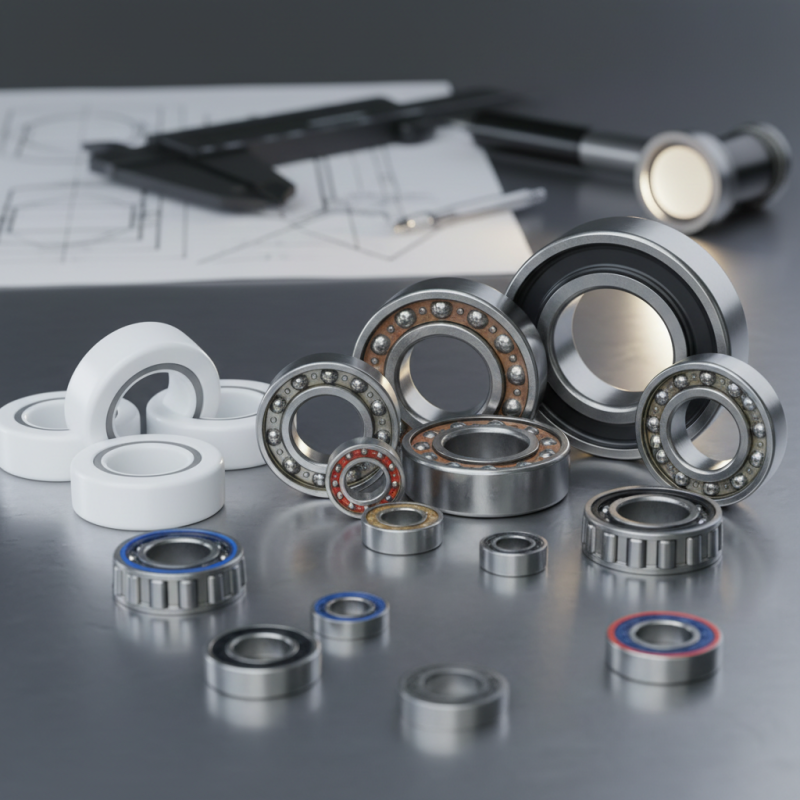
Understanding the nuances in ball bearing selection is essential. Not all bearings are created equal. For instance, ceramic options offer higher resistance to wear but might not be suitable for all applications. Reflecting on these choices can save time and resources in the long run. Ultimately, making the right decision about ball bearings can determine the overall success of your project.
How to Choose the Right Ball Bearing for Your Project?

Understanding the Basics of Ball Bearings and Their Uses

Choosing the right ball bearing for your project is crucial. Ball bearings are integral components that reduce friction. They allow smooth movement in machines and devices. These small, yet powerful elements come in various types. Each type serves a specific purpose. Understanding the basics helps in making an informed choice.

Ball bearings consist of inner and outer rings, along with balls in between. The geometry affects performance. For instance, deep groove ball bearings are versatile, suitable for high-speed applications. Other designs focus on heavy loads or specific environments. Each bearing type has its unique characteristics. It's important to consider these factors carefully.

Many overlook the quality of the material. Cheap materials can lead to quick wear and tear. It's not always easy to gauge quality just by looking. Users often face dilemmas. Should they prioritize cost or longevity? It’s a tough decision that requires reflection. By evaluating needs accurately, one can select the ideal bearing for any project.

How to Choose the Right Ball Bearing for Your Project?

Ball Bearing Type Load Capacity (lbs) Speed Rating (RPM) Material Application
Deep Groove Ball Bearing 500 3000 Chrome Steel Electric Motors
Angular Contact Ball Bearing 600 4000 Ceramic High-Speed Applications
Self-Aligning Ball Bearing 400 2500 Stainless Steel Agricultural Equipment
Thrust Ball Bearing 300 2000 Brass Supporting Axial Loads

Identifying Your Project Requirements for Ball Bearings

When selecting ball bearings for your project, identifying specific requirements is crucial. Start by considering the load your application needs to support. Is it heavy machinery or delicate equipment? Understanding the weight and pressure helps narrow down choices. Next, evaluate the speed at which the bearings will operate. High speeds require lightweight materials, while slower speeds can handle heavier, sturdier options.

Consider the environment where the bearings will be used. Will they face moisture, dust, or extreme temperatures? Some bearings are designed for harsh conditions, while others are not. Think about maintenance as well. Will you have easy access for repairs? You might want to choose designs that require minimal upkeep. It's essential to balance performance and cost. A high-quality bearing brand may seem costly, but inadequate bearings lead to higher expenses later.

Don’t forget precision in your measurements. A small miscalculation can result in failure. Be realistic about your project's tolerances. Overly tight specifications may complicate assembly and lead to frustration. Explore samples if possible. Observing the actual product can reveal aspects you had not considered. Your project’s success depends on how well you match the right ball bearing to the task at hand.

Exploring Different Types of Ball Bearings Available

When selecting the right ball bearing, understanding the different types available is crucial. Ball bearings generally come in several varieties: deep groove, angular contact, self-aligning, and thrust. Deep groove ball bearings are often used in electric motors and can handle both radial and axial loads. They are versatile but may not excel in extreme conditions.

Angular contact bearings, on the other hand, are designed for high-speed operations and can accommodate axial loads. However, they require precise mounting. In contrast, self-aligning bearings are better for misalignment issues. They simplify installation, but their speed ratings are lower.

Tips: Always consider the load ratings of each bearing type. A miscalculation could lead to early failure. Research shows that over 60% of bearing failures result from incorrect application. Remember that surface finish and material also play critical roles in performance.

Thrust ball bearings serve a specific purpose. They are ideal for applications where axial loads are prominent. Yet, they cannot handle radial loads. Understand these limitations before choosing. Your project’s success relies heavily on these choices. Make sure to analyze your requirements thoroughly.

Factors to Consider When Selecting Ball Bearings

Choosing the right ball bearing for a project can be challenging. Several factors influence the selection process. The load capacity is vital. It determines how much weight the bearing can support. Consider the operational speed as well. High-speed applications require specific materials to minimize friction.

The environment in which the bearing will operate is also crucial. Temperature variations can affect performance. For example, extreme heat or cold can lead to premature failure. Additionally, consider moisture, dust, and chemicals in the surroundings. Some bearings may not perform well in harsh conditions.

Another point to reflect on is the bearing's size. It should fit properly within your project. An ill-fitting bearing can cause misalignment and increased wear. Understand the shaft dimensions and housing requirements before making a purchase. Remember that not all bearings are created equal. Each application may need different specifications. Make sure to evaluate your needs carefully to avoid costly mistakes later.

Evaluating Quality and Durability in Ball Bearings

When selecting a ball bearing, quality and durability play pivotal roles. Research indicates that 70% of bearing failures result from improper material selection or manufacturing defects. This emphasizes the importance of choosing high-quality materials like chrome steel or stainless steel. These materials enhance wear resistance and strength, critical in high-load applications.

Additionally, durability often hinges on excellent surface finish and precise tolerances. A study showed that bearings with lower surface roughness lasted up to 40% longer in real-world conditions. Yet, some manufacturers overlook these details, leading to performance issues. Understandably, quality assurance processes are not always flawless, and buyer vigilance is crucial when reviewing specifications.

Finally, consider environmental factors. Bearings exposed to moisture should ideally have seals that provide protection. However, not all seals are created equal. Inadequate sealing can lead to premature failures. Evaluating the seal design and its compatibility with your environment is essential. Small oversights here can result in costly downtime and rework.