What is a Hydraulic Machine and How Does it Work?
A hydraulic machine is an essential piece of equipment in various industries. It operates using the principles of hydraulics, which harness fluid power for movement and control. These machines can be found in construction, manufacturing, and automotive sectors, among others. Their efficiency stems from the ability to amplify force using incompressible fluids.
Understanding how a hydraulic machine works requires some technical insight. The fundamental components include the hydraulic fluid, pumps, valves, and actuators. Each part plays a critical role in converting potential energy into mechanical energy. While many people use these machines daily, few fully understand the science behind them.
This complexity raises questions. Can we trust that hydraulic machines will operate safely? What happens when they fail? Regular maintenance and a solid knowledge of their workings are vital. By diving into the intricacies of hydraulic machines, we can appreciate their strength and the challenges they pose.
What is Hydraulic Machinery? An Overview of Its Definition
Hydraulic machinery refers to systems that use fluid power to perform work. These machines operate using hydraulic fluids, often oil, to transmit force. This type of machinery is essential in various industries, such as construction and manufacturing. It offers high power density in a compact form, making it efficient for lifting and moving heavy loads.
Hydraulic systems consist of different components like pumps, cylinders, and valves. Each part plays a crucial role in regulating fluid flow and pressure. The fluid's incompressibility allows for powerful force transmission. However, managing hydraulic systems can be challenging. Leaks and pressure issues may arise, leading to inefficiencies.
Understanding hydraulic machinery is important for maintenance and operation. Operators need to be aware of potential problems. Regular checks can help identify leaks or worn components. This proactive approach is vital for ensuring longevity. Mistakes can result in costly downtime and repairs. By recognizing the complexities of hydraulic systems, users can better navigate their use and upkeep.
The Basic Principles of Hydraulic Systems and Fluid Mechanics
Hydraulic systems are fascinating and essential in many industries. They operate based on fluid mechanics, using incompressible liquids to transmit power. The basic principle is simple: apply pressure to a fluid, and it moves to different locations. This movement then creates a force that can lift, push, or pull objects. Knowing these principles helps troubleshoot issues in hydraulic machines.
Fluid mechanics plays a critical role in the efficiency of hydraulic systems. It's about understanding how fluids behave under various conditions. Pressure, flow rate, and fluid viscosity affect performance. For instance, if a fluid is too thick, it can slow down the system. On the other hand, a low viscosity may lead to leaks. Understanding these nuances is crucial for maintaining reliable equipment.
When working with hydraulic systems, ensure you monitor fluid levels regularly. A low fluid level can lead to overheating and equipment failure. Regular inspections are vital to catch small leaks before they become major problems. Proper maintenance can significantly extend the lifespan of hydraulic machinery. Stay informed and engage with trusted sources to improve your knowledge of fluid mechanics.
Key Components of Hydraulic Machines and Their Functions
Hydraulic machines play a crucial role in various industries. They utilize liquid power to accomplish tasks. The key components of these machines include hydraulic pumps, cylinders, and valves. Each part serves a specific purpose.
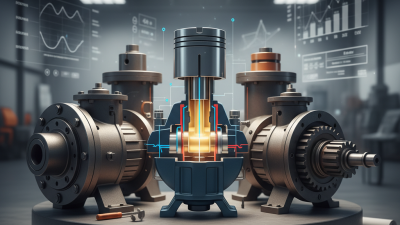
Hydraulic pumps convert mechanical energy into hydraulic energy. They create pressure in the fluid, enabling movement. Cylinders are responsible for translating this pressure into linear motion. They expand or contract based on the fluid's flow. Valves control the direction, pressure, and flow of the hydraulic fluid. Their functions are vital for the machine's overall performance.
Moreover, maintaining these components is essential for efficiency. A small leak in a valve can lead to significant energy loss. Similarly, a malfunctioning pump may hinder operations. Regular inspections help identify potential issues. This proactive approach can enhance the longevity of hydraulic machines while improving safety. Understanding these components and their roles allows for better troubleshooting and maintenance practices.
Hydraulic Machine Efficiency by Component
Common Applications of Hydraulic Machines in Various Industries
Hydraulic machines play a crucial role in various industries, providing power and efficiency through fluid mechanics.
In construction, for example, hydraulic excavators are essential for heavy lifting. According to a report by the International Hydraulic Association, nearly 60% of all construction equipment utilizes hydraulic systems. This highlights their importance in tasks that require high torque and precise movements.
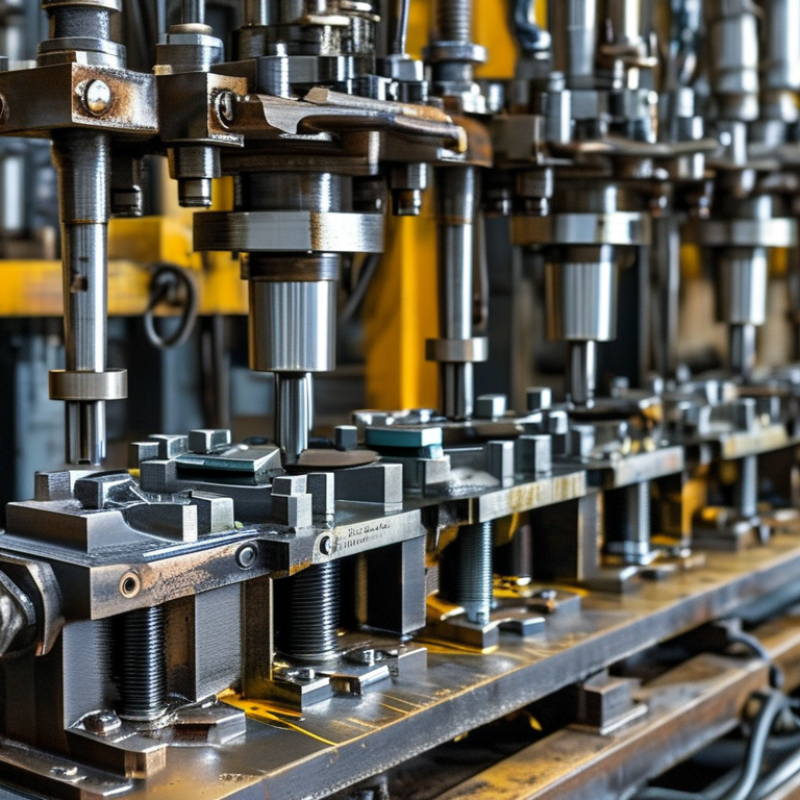
In the manufacturing sector, hydraulic presses are widely used for shaping and molding materials. They can exert massive forces, making them ideal for metalworking and plastic forming. Research indicates that the hydraulic press market is expected to grow by 4.5% annually. This is largely due to demand in automotive production and aerospace industries. These machines help streamline operations but can also lead to challenges in maintenance and safety protocols that require ongoing attention.
The mining industry also benefits significantly from hydraulic technology, with hydraulic drills facilitating operations in challenging terrains. Yet, inefficiencies in hydraulic systems can lead to energy loss and increased operational costs. It is essential for companies to regularly evaluate their hydraulic equipment to ensure optimal performance and reliability in a competitive landscape.
Advantages and Limitations of Using Hydraulic Technology
Hydraulic technology has transformed various industries by delivering powerful and efficient solutions. However, like any technology, it comes with its advantages and limitations. One major advantage of hydraulic machines is their ability to generate tremendous force. According to a report by the International Hydraulics Association, hydraulic systems can produce up to ten times more force than electric systems of the same size. This makes them ideal for heavy lifting and construction applications.
Despite their strengths, hydraulic systems have limitations that warrant consideration. They require regular maintenance to avoid fluid leaks, which can lead to environmental concerns. A study indicated that nearly 90% of hydraulic systems experience issues related to fluid leakage at some point. Additionally, these systems can be energy-inefficient compared to other technologies. A report from the Energy Efficiency Office revealed that hydraulic systems can waste as much as 30% of energy through heat loss.
Moreover, the initial cost of hydraulic systems can be high, which may deter some businesses from investing in this technology. Their sensitivity to temperature changes can also affect their performance, necessitating careful design and operation. While hydraulic machines offer significant benefits, understanding their limitations is essential for effective application. Responsible use of hydraulic technology can lead to enhanced productivity, but industries must remain aware of these challenges.