

10 Tips for Buying Hydraulic Pump Parts
Buying Hydraulic Pump Parts is not just a matter of matching a product photo or choosing the lowest price. A pump may look correct while its shaft, mounting pattern, port position, or displacement differs from the part already installed. Small differences matter. Before comparing suppliers, record the pump’s model and serial numbers, then check the manufacturer’s specifications against your equipment’s requirements.
The right replacement must suit the operating pressure, flow rate, fluid type, and working conditions. Inspect key details, including seals, bearings, materials, and connection sizes. Ask for clear product documentation, and confirm whether the listed part is original equipment or an aftermarket alternative. A reputable supplier should be able to explain compatibility and provide a realistic delivery estimate. Keep the old part nearby when checking dimensions; a ruler and a clear photo can help, but neither replaces verified specifications.
Price deserves attention, but so do warranty terms, return conditions, and access to technical support. A bargain can become costly if the component fails early or cannot be returned. Check how the supplier handles damaged or incorrect orders before buying. These checks reduce avoidable mistakes, though no checklist can guarantee a perfect fit in every application. That part takes care. The ten tips ahead offer a practical way to compare options, ask better questions, and make a more informed purchase.
Identify the Pump Model and Required Part Specifications
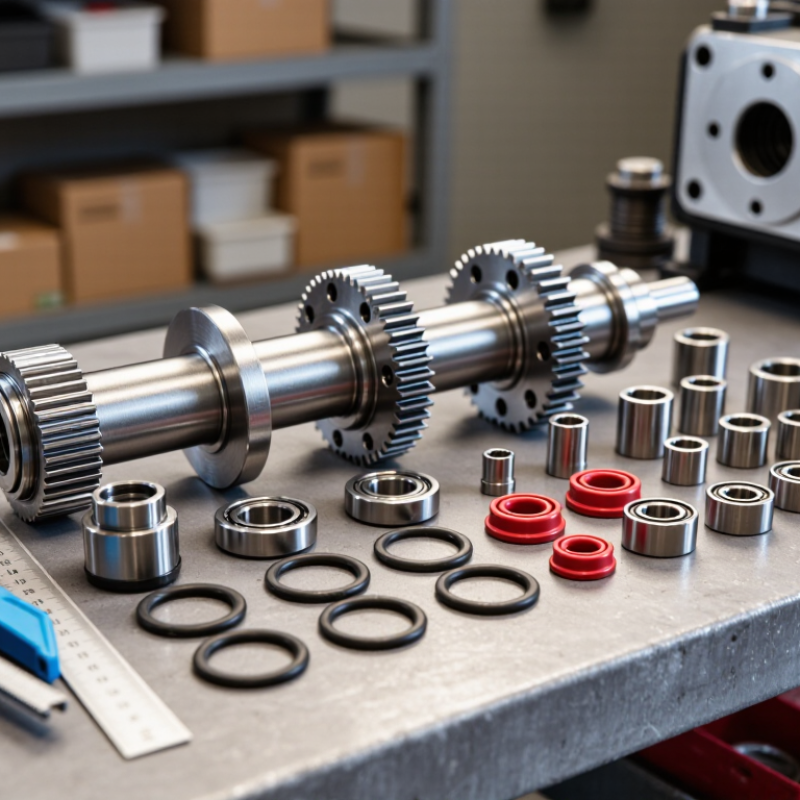
Before ordering a hydraulic pump part, record the pump’s complete model and serial numbers from its nameplate. Compare them with the machine’s service manual; a similar-looking housing can hide a different displacement or shaft design. Check displacement, rated and peak pressure, rotation direction, mounting pattern, shaft dimensions, and port type. Small details matter. A clockwise pump may not suit a counterclockwise drive, and a mismatched shaft can damage the coupling.
Match the part to the pump’s operating conditions, not just its outer shape. Note the fluid type, operating temperature, speed range, and system pressure. Measure worn components carefully, including shaft diameter and keyway width, and photograph ports and mounting faces before disassembly. Do not guess. If the nameplate is unreadable, use machine records and verify dimensions with a qualified hydraulic technician. Even catalog data can be incomplete, so confirm critical specifications against the manufacturer’s technical documentation.
Correct identification also supports efficient operation. The U.S. Department of Energy’s Improving Pumping System Performance: A Sourcebook for Industry reports that optimizing pumping systems can reduce energy use by 20–50%. That figure concerns whole-system optimization, not a guaranteed saving from one replacement part. Still, an incorrect displacement or pressure rating can undermine system performance. It is easy to focus on the part number and overlook the working conditions. Check both.
| Tip | What to Identify | Information to Record | Why It Matters | Practical Check |
|---|---|---|---|---|
| 1 | Pump identification details | Manufacturer, model or series code, serial number, and any revision or suffix shown on the nameplate. | Pumps that look alike may use different internal parts or production revisions. | Photograph the full nameplate and compare the details with the parts diagram or service documentation. |
| 2 | Pump type and design | For example, gear, vane, or piston pump; note whether it is fixed-displacement or variable-displacement. | Internal components and compatible repair parts differ by pump design. | Confirm the pump type from its identification data or technical documentation rather than appearance alone. |
| 3 | Required part and assembly position | Part name, reference number, quantity, and location in the assembly, such as a shaft seal or bearing. | Similar-looking components can have different dimensions or functions. | Use the correct exploded view and identify the item by its reference number. |
| 4 | Displacement and operating speed | Displacement, commonly stated in cm³/rev or in³/rev, and the pump’s rated or operating speed in rpm. | These values affect flow and help distinguish configurations within a product family. | Check the pump documentation; do not infer displacement from the machine’s flow requirement alone. |
| 5 | Rotation and drive configuration | Required direction of rotation and drive-end details, including shaft orientation where specified. | A mismatched configuration may prevent installation or cause incorrect operation. | Confirm the rotation convention and viewing direction stated in the pump documentation. |
| 6 | Mounting and shaft dimensions | Mounting flange pattern, pilot diameter, shaft type, shaft dimensions, and key or spline details where applicable. | Correct interfaces are essential for alignment and mechanical fit. | Compare documented dimensions or measure the removed part using appropriate measuring tools. |
| 7 | Port and connection details | Inlet and outlet locations, connection standard, thread or flange size, and port orientation. | Different connection standards can appear similar but may not seal or connect correctly. | Identify the connection standard from the technical drawing; avoid relying on a visual estimate of thread size. |
| 8 | Pressure and control configuration | Rated operating pressure and, for variable-displacement pumps, the control or compensator type and setting requirements. | Parts must suit the pump’s intended pressure range and control arrangement. | Use the machine and pump specifications; never assume a pressure setting from the application alone. |
| 9 | Seal material and fluid compatibility | Seal dimensions, material where specified, hydraulic fluid type, and operating temperature range. | Seal compatibility depends on the fluid and service conditions, not just physical size. | Verify the seal material against the fluid and temperature requirements in the equipment documentation. |
| 10 | Revision, condition, and final fit | Production revision, wear or damage on the removed component, and any required related parts or installation items. | Wear, contamination, or a revised design may affect which parts should be replaced together. | Confirm fit and revision before ordering; follow the service procedure and cleanliness requirements during installation. |
Related Posts
-

7 Key Reasons Why Hydraulic Pump Parts Are Essential for Operational Efficiency
-
2025 Innovations in Hydraulic Pumps: Transforming Efficiency and Sustainability in Industrial Applications
-

Exploring Innovative Alternatives to Traditional Hydraulic Pumps and Motors for Global Buyers
-

Top 10 Benefits of Using a Mixer Pump for Your Projects?
-
Top Hydraulic Machines for Global Buyers What to Consider?
-
Understanding the Science Behind Mixer Pumps: Essential Guide for Efficient Fluid Management