

How to Use Solenoid Valves in Irrigation Systems Effectively?

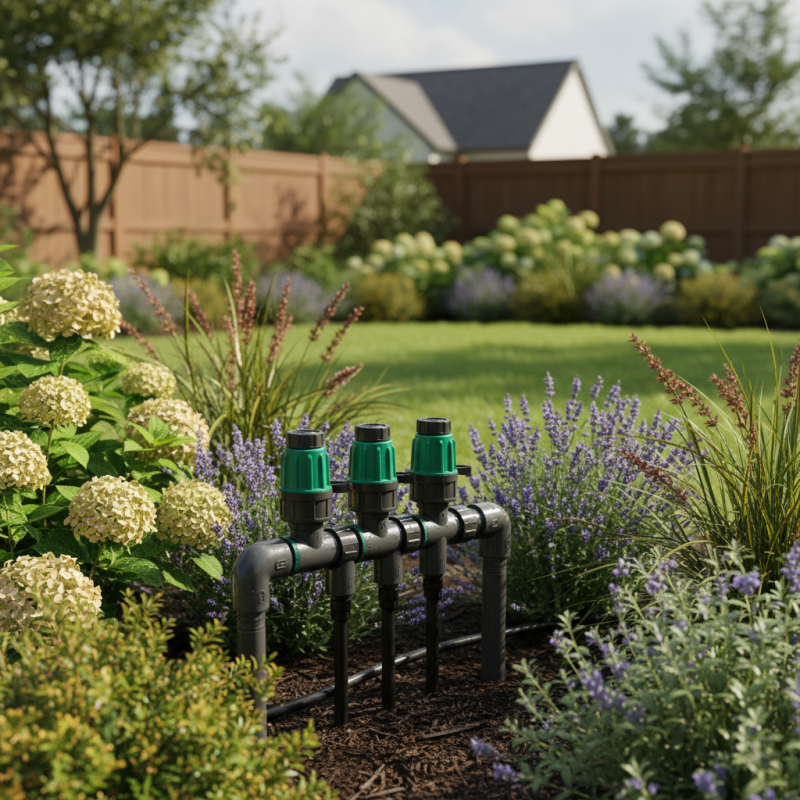
In modern irrigation systems, efficiency is key. A Solenoid Valve In Irrigation Systems plays a crucial role in controlling water flow. These valves help save water and reduce wastage. They operate electronically, allowing for remote control and automation.

However, using a solenoid valve in irrigation systems isn’t always straightforward. Proper placement and selection are vital. Mistakes can lead to overwatering or dry patches. Consider the layout of your garden or farm. Each area may need different settings.

Installation might seem simple, but common pitfalls exist. Ensure that the valves are rated for your water pressure. Neglecting this could cause leaks or system failures. Regular maintenance is also essential. Dirty filters can block water flow, rendering your system ineffective. Understanding these aspects will lead to better irrigation outcomes.
How to Use Solenoid Valves in Irrigation Systems Effectively?

Understanding Solenoid Valves and Their Function in Irrigation Systems

Solenoid valves play a crucial role in modern irrigation systems. These devices control the flow of water through pipes using an electromagnetic coil. By opening and closing quickly, they ensure precise water delivery to crops. Data from industry reports shows that using solenoid valves can improve water efficiency by up to 30%. This is significant for farmers looking to optimize resource use.

They operate on an electrical signal, making automation possible. Remote control systems can be employed to turn the valves on and off, streamlining operations. Many designs are compatible with timers and moisture sensors. A timely response to soil needs can enhance plant health. However, the reliance on technology raises concerns. Malfunctions can disrupt irrigation schedules. Regular maintenance is essential to prevent failures.

Additionally, selecting the right solenoid valve for specific irrigation systems can be challenging. Factors such as water pressure, flow rate, and pipe size matter. Industry standards recommend evaluating these aspects carefully. The wrong choice may lead to inefficiencies and wasted water. Continuous reflection on system performance is necessary to ensure optimum operation.

Selecting the Right Solenoid Valve for Your Irrigation Needs

Selecting the right solenoid valve for your irrigation needs is crucial. You must consider factors like size, flow rate, and pressure. Identifying the correct specifications ensures an efficient system. A valve that is too small may restrict flow, while one that is too large can waste water.

Tips: Always verify the compatibility of the valve with your existing system. Check the voltage requirements, too. An incorrect voltage can lead to valve failure. Remember, the installation process might not always be straightforward. Sometimes, the alignment can be tricky.

Don’t forget to assess the type of irrigation system you have. Drip systems often require different valves than spray systems. Some users overlook this detail, leading to performance issues. Regular maintenance is necessary. A neglected valve may cause leaks or malfunctions, affecting overall efficiency.

Effective Use of Solenoid Valves in Irrigation Systems

This chart illustrates the performance metrics of solenoid valves used in irrigation systems, providing insight into water flow rates, pressure requirements, and energy consumption. Selecting the right valve based on these factors is crucial for optimizing irrigation efficiency.

Installation Guidelines for Solenoid Valves in Irrigation Systems

When installing solenoid valves in irrigation systems, location matters. Place the valves near the water source. This minimizes water pressure loss. Ensure they are easily accessible. Maintenance is crucial. Regular checks help avoid leaks and malfunctions. Sometimes, you might discover a valve isn't functioning during a critical irrigation cycle. This can lead to overwatering or underwatering.

Consider the right voltage for solenoid valves. Not all systems are the same. Sometimes, mismatched voltage can cause issues. If you face problems, it’s worth checking the specifications. Use backflow preventers as needed. They protect your water supply from contamination. Without them, you might face serious consequences.

Keep in mind, proper wiring is essential. Incorrect connections can lead to system failures. Additionally, verify the soil conditions before installation. Sometimes, soil type affects how well the system performs. Adjustments might be necessary. Don't forget to test the system after installation. Minor tweaks can save you a lot of time and water.

Best Practices for Maintaining Solenoid Valves in Irrigation Applications

Maintaining solenoid valves in irrigation systems is crucial for optimal performance. Regular inspection is key. Look for signs of wear or leaks. Check connections and wiring regularly. A small leak can escalate quickly, leading to bigger issues. Dirty or clogged valves can disrupt water flow. Clean them to avoid these problems.

Here are some tips:

  • Schedule routine checks.
  • Keep a log of maintenance activities.
  • Replace damaged components immediately.

Water quality affects solenoid valves too. Sediment can accumulate and block the valve. Use filtration systems to minimize build-up. Testing water pressure regularly can also prevent valve failure. High pressure can lead to malfunction. Make adjustments as needed.

Lastly, remember that even minor irregularities in performance should not be ignored. A small hesitation in valve operation could signal an issue. Reflection on these details can lead to better maintenance practices. Continuous attention to these aspects will improve the longevity of your irrigation system.

Troubleshooting Common Issues with Solenoid Valves in Irrigation Systems

Troubleshooting solenoid valves in irrigation systems can be challenging. Among the common issues, a frequent problem is the valve not opening. This could stem from several causes, such as low voltage or clogged filters. Checking the electrical connections should be the first step. Sometimes, the wiring may appear fine but still be faulty.

Another issue is water leaking from the valve. This can often result from worn seals or misalignment. Inspecting the installation is crucial. Ensure that the valve is positioned correctly and that the seals are intact. Don’t ignore small leaks; they can lead to larger issues over time.

Finally, solenoid valves may intermittently fail to operate. This can be frustrating. It’s important to examine the power supply and control system. Often, there may be an overlooked timer issue or programming error. Reflecting on maintenance routines can provide insight. Keeping a detailed log of valve performance can help identify patterns in failures.