

What Are the Top Types of Pump Motors?

Choosing among Pump Motors is not a simple matter of comparing horsepower. The right motor must match the pump, fluid, duty cycle, environment, and available power supply. A motor running beside a dusty irrigation tank faces different demands from one installed inside a wastewater lift station. Heat, moisture, vibration, starting loads, and frequent cycling can quickly expose a poor match.

Igor J. Karassik, a widely respected pump engineer and author, described the basic purpose clearly: “A pump is a device that imparts energy to a liquid.” That energy begins with the motor. Its efficiency and control directly influence flow stability, operating costs, maintenance intervals, and equipment life. Small differences matter. A mismatched motor may run loudly, draw excessive current, or overheat before failure becomes obvious.

This guide examines the top types of Pump Motors, including AC induction motors, synchronous motors, brushless DC motors, and specialized submersible designs. Each type offers useful strengths, but none is ideal for every installation. A neat comparison chart can mislead. Real performance depends on system resistance, duty conditions, and installation quality. Even experienced buyers sometimes focus too heavily on efficiency ratings while overlooking starting torque or enclosure protection. The discussion ahead keeps those practical details visible, helping engineers, facility managers, and equipment buyers make decisions based on evidence rather than attractive specifications alone.
What Are the Top Types of Pump Motors?

What Is a Pump Motor and How Does It Work?

What Is a Pump Motor and How Does It Work?

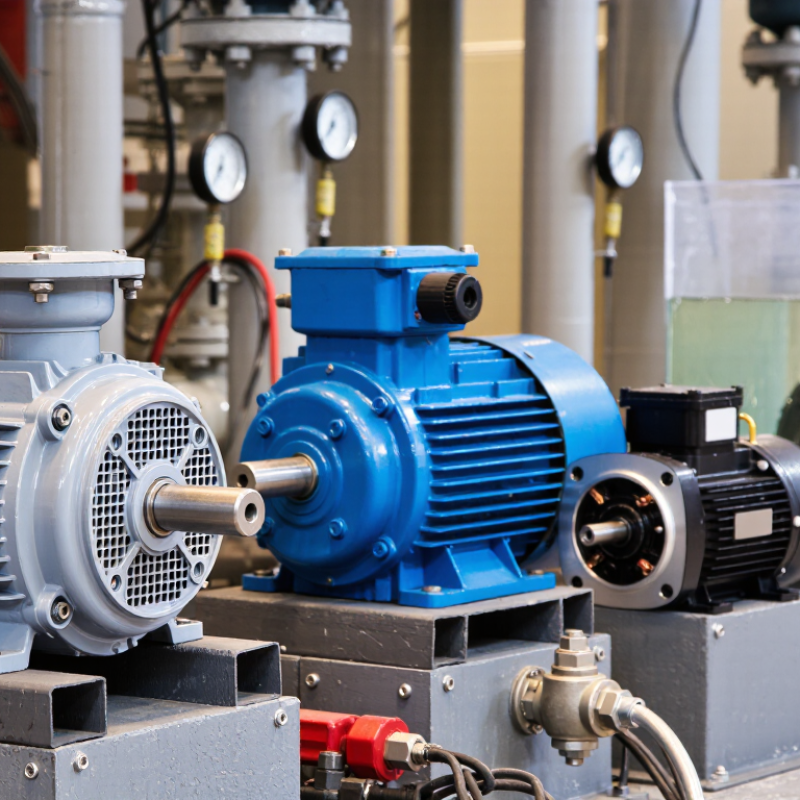
A pump motor converts electrical energy into mechanical movement. It turns a shaft connected to the pump’s working parts. In a centrifugal pump, the shaft spins an impeller. The impeller pushes liquid outward, creating flow and pressure. In a positive displacement pump, the motor moves gears, pistons, or diaphragms. These parts transfer a measured volume of liquid. That distinction matters. Common motor types include single-phase AC, three-phase AC, DC, and submersible motors. Each suits different loads, power supplies, and installation conditions.

Tips: Check voltage, current, speed, torque, and duty rating before choosing a motor. Match the motor to the pump curve, not only the pipe size. Inspect seals, bearings, and cooling paths regularly. A hot housing, unusual vibration, or changing noise can signal overload or misalignment. Stop early. Small faults can damage the shaft or impeller.

Pump performance depends on more than motor power. Excessive friction, restricted inlets, air leaks, or incorrect rotation can reduce output. A larger motor is not always better. It may waste energy and increase mechanical stress. In practice, selections are rarely perfect. Recheck actual flow after installation, because field conditions can differ from calculations. A reliable setup uses suitable protection, proper alignment, and controls that prevent dry running. The motor should start smoothly and operate within its rated temperature range.

What Are the Top Types of Pump Motors?

A pump motor converts electrical energy into mechanical rotation that drives the pump shaft and impeller. The most widely used options include induction, permanent-magnet, brushless DC, synchronous-reluctance, and universal motors. The chart shows representative typical efficiency values; actual performance depends on motor size, load, speed, control method, and operating conditions.

What Are the Main Types of Pump Motors?

Pump motors are selected by power source, operating environment, and speed requirements. The main types include AC induction motors, DC motors, brushless DC motors, and synchronous motors. Each type behaves differently under load, so the cheapest option is not always the most practical one.

AC induction motors are common in fixed installations. They are durable, simple to maintain, and suitable for continuous pumping. Their performance can decline when voltage fluctuates or the pump operates far from its design point. DC motors work well in battery-powered systems, mobile equipment, and small water units. They provide convenient speed control, but brushed designs may need regular brush replacement.

Brushless DC motors use electronic control instead of physical brushes. This reduces wear and often improves efficiency in compact systems. Synchronous motors maintain a steady speed and can support precise flow control, although their control equipment may be more demanding. Submersible pump motors are built for underwater operation and require careful sealing, insulation, and cable protection. Water intrusion can cause rapid failure.

In field checks, I look beyond rated horsepower. Starting current, duty cycle, cooling, and installation depth can change the real result. A motor that works perfectly in a dry test may overheat inside a narrow well. That detail is easy to miss. Motor selection also deserves a second review, because efficiency figures alone do not reveal noise, maintenance access, or poor alignment.

What Are the Top Types of Pump Motors? - What Are the Main Types of Pump Motors?

Motor Type Power Supply Typical Speed Behavior Main Advantages Common Limitations Typical Pump Applications Best Fit
Single-Phase Induction Motor Single-phase AC Usually fixed-speed; speed is determined mainly by the supply frequency and motor design. Simple construction, low maintenance, widely available, and suitable for many small pump systems. Lower starting performance than many three-phase designs; efficiency and power capacity are generally limited in larger applications. Household water pumps, small centrifugal pumps, circulation pumps, and light-duty irrigation systems. Small pumps where a single-phase electrical supply is available.
Three-Phase Induction Motor Three-phase AC Normally fixed-speed, with speed control available through a variable-frequency drive. Robust, reliable, efficient at medium and high power, and capable of continuous operation. Requires a three-phase supply or additional drive equipment; speed control is not built in. Industrial centrifugal pumps, process pumps, booster systems, HVAC pumps, and water-treatment equipment. Medium- and high-power installations requiring durability and continuous duty.
Synchronous Motor AC, commonly controlled with an electronic drive Runs at synchronous speed without the normal slip of an induction motor. High efficiency, accurate speed control, and good performance over a broad operating range. Usually requires more sophisticated controls and can cost more than a basic induction motor. Energy-efficient pump packages, precision dosing systems, HVAC circulation, and variable-speed equipment. Applications that prioritize energy efficiency and precise speed regulation.
Brushless DC Motor (BLDC) DC through an electronic controller or rectified AC Variable speed with electronic commutation; speed can be adjusted efficiently. High efficiency, compact size, low mechanical wear, and good controllability. Needs electronic control circuitry; performance depends on correct controller and thermal design. Small water pumps, medical equipment, cooling systems, portable devices, and solar-powered pumping. Compact, efficient pumps that need variable speed or battery and solar operation.
Brushed DC Motor Direct current Variable speed through voltage or controller adjustment. Simple control, good starting torque, and easy integration with batteries. Brushes and commutators wear over time, creating maintenance needs and limiting service life in demanding duty. Portable pumps, automotive fluid systems, battery-powered transfer pumps, and small dosing equipment. Intermittent or portable applications where simple DC control is important.
Universal Motor AC or DC High speed, typically controlled by voltage or electronic regulation. High starting torque, compact design, and operation from either AC or DC sources. Brush wear, higher noise, electromagnetic interference, and generally lower efficiency than many modern alternatives. Small portable pumps and appliances requiring high speed and compact dimensions. Short-duration, compact pump products where size and starting torque matter most.
Submersible Motor Single-phase or three-phase AC; some small designs use DC Usually fixed-speed, with variable-speed versions available through compatible controls. Designed to operate below the liquid level, uses the surrounding fluid for cooling, and avoids priming issues in many installations. Requires effective sealing, suitable cable protection, and maintenance access; motor selection must match the pumped liquid. Submersible drainage pumps, deep-well pumps, sewage pumps, and dewatering systems. Pumping from wells, tanks, pits, and other locations where the motor must operate underwater.
Permanent-Magnet Motor AC or DC through an electronic drive Variable speed with high torque density and efficient electronic control. High efficiency, compact size, strong low-speed performance, and reduced operating losses. Requires compatible electronics; magnets and control systems can increase design complexity and cost. High-efficiency circulation pumps, smart booster systems, HVAC equipment, and compact industrial pumps. Modern variable-speed systems where energy savings and compact construction are priorities.

How Do Electric Pump Motors Differ by Design?

What Are the Top Types of Pump Motors?

Electric pump motors differ mainly in rotor construction, control method, starting behavior, and maintenance needs. A three-phase induction motor remains a practical choice for many water and process systems.

Its squirrel-cage rotor is rugged, enclosed, and tolerant of dusty plant rooms. However, it can draw a high starting current and may operate less efficiently at partial load.

Permanent-magnet synchronous motors

use magnetic rotors instead of induced rotor current. They can deliver strong efficiency across changing speeds, especially when paired with a variable-frequency drive. Their compact size also helps in space-limited pump rooms. Yet, they need accurate control and careful thermal management. A design that looks efficient on paper may disappoint if the drive settings are poorly matched.

Synchronous reluctance motors

create torque through the rotor’s magnetic resistance paths. They contain no rotor magnets, which can simplify material concerns and provide reliable high-speed operation.

Brushed DC motors

offer simple speed control, but brush wear makes them less suitable for continuous industrial pumping.

In field inspections, I have found that noise, heat, and vibration often reveal more than a specification sheet. That is not a perfect rule. Pipe resistance, fluid temperature, load changes, and installation quality can alter the result.

Choosing a motor requires checking the real duty cycle, not just the highest rated efficiency.

How Should You Choose the Right Pump Motor?

Choosing the right pump motor begins with the pump’s actual working conditions, not its advertised power. Common options include AC induction motors, permanent-magnet motors, and DC motors. Each type behaves differently under changing loads, speed requirements, and control systems.

Measure the required flow and head first. Then check the pump curve, motor efficiency, starting current, and expected operating hours. A motor that is too small may overheat during peak demand. An oversized motor may waste energy and operate poorly at low loads. It sounds obvious, but this mistake still appears in real installations.

Consider the power supply carefully. AC induction motors suit many fixed-speed applications and are generally straightforward to maintain. Permanent-magnet motors can offer better efficiency, especially with variable-speed control. DC motors may fit compact systems or battery-powered equipment. However, controller compatibility matters.

The installation environment also changes the decision. Dust, moisture, heat, and corrosive air require suitable enclosure protection and materials. Review the duty cycle, noise limits, maintenance access, and local electrical requirements. Leave a sensible service margin, but avoid excessive oversizing.

A field inspection can reveal details that specifications miss. Listen for vibration. Check shaft alignment. Inspect cable length and voltage drop. My first instinct may favor higher efficiency, yet a complicated control system can create new maintenance problems. The best choice balances efficiency, reliability, cost, and the technician’s ability to service it.

Where Are Different Pump Motors Commonly Used?

Centrifugal pump motors are common where facilities move large volumes of relatively clean water. They serve municipal water plants, cooling towers, irrigation networks, and building circulation systems. Their smooth, continuous flow suits long operating hours.

The U.S. Department of Energy’s Improving Pumping System Performance report notes that pumping systems can consume about 20% of industrial electricity. Motor selection therefore affects both reliability and operating cost.

Submersible motors work inside the pumped liquid. Wastewater stations, drainage pits, deep wells, and construction dewatering sites often use them. Their sealed housing protects the motor from flooding, but damaged seals can create expensive failures.

Positive displacement pump motors fit thicker fluids and precise dosing. Food processing, chemical handling, and hydraulic equipment commonly use gear, screw, or piston designs. The choice depends on viscosity, pressure, and required flow accuracy.

Vertical turbine motors suit deep wells and large water intake systems. Axial-flow motors are useful when operators need very high flow at low pressure, such as flood control or cooling-water circulation.

The International Energy Agency has reported that motor-driven systems consume close to half of global electricity, making efficiency a practical concern.

A high-efficiency motor cannot fix an oversized pump. That mistake remains common. Field measurements, duty cycles, fluid temperature, and maintenance history should guide the final selection, not catalogue ratings alone.