

7 Best Tyrone Pumps for Global Buyers in 2026
Choosing industrial pumps is not a brand-name exercise. It is a duty-point decision. For global buyers comparing Tyrone Pumps in 2026, the details matter: fluid properties, required flow, discharge pressure, operating hours, service access, and spare-parts availability. A pump that looks suitable on a specification sheet may perform poorly when the installation, controls, or maintenance plan do not match its workload.
Energy use deserves close attention. The U.S. Department of Energy’s Improving Pumping System Performance sourcebook reports that pumping systems account for nearly 20% of global electricity demand. It also notes that pumps can use 25% to 50% of the energy in some industrial operations. These figures are broad industry estimates, not guarantees for any specific facility. Still, they show why efficiency, lifecycle cost, and correct sizing belong in every purchasing review.
This guide compares seven Tyrone Pumps options through practical buyer criteria, including application fit, construction, performance data, and support considerations. Check the manufacturer’s current documentation before making a final selection. One sourcing note matters: I could not verify a publicly documented quotation from a named Tyrone Pumps industry expert, so I will not invent one or present an unsourced line as fact. Reliable decisions need reliable evidence. Start with the duty. Then compare the pump.
What Tyrone Pumps Are and the Applications They Serve
Tyrone pumps are mechanical devices that move liquids by creating flow and pressure. Depending on their design, they may handle clean water, process fluids, or wastewater. Buyers should not assume every pump suits every liquid. Viscosity, temperature, solids, and chemical compatibility all affect performance. Check the pump’s materials, flow rate, and pressure range against the actual operating conditions. Small details matter.
These pumps can serve water transfer, irrigation, drainage, building services, and industrial circulation. On a farm, a unit might draw water from a storage tank and feed a long irrigation line. At a facility, a pump may keep cooling water moving through equipment. Wastewater applications can require larger passages to reduce clogging. The exact fit depends on the model and installation, so confirm technical data with a qualified supplier. A useful site assessment includes pipe length, elevation changes, power supply, and expected duty cycles. Real installations are rarely as tidy as a specification sheet suggests. Estimates can be imperfect, and overlooked bends or air pockets may change performance. Keep that in mind.
Pump Applications and Indicative Flow Ranges
Typical flow ranges vary widely with pump design and operating conditions. The ranges below are broad engineering guidance, not specifications for a particular pump or a market-share comparison.
Flow is shown in cubic metres per hour (m³/h) on a logarithmic scale. Confirm the required flow, head, liquid properties, and operating conditions when selecting a pump.
Key Criteria for Choosing a Tyrone Pump in 2026
Choosing an industrial pump starts with the liquid, not the catalogue photo. Record the fluid’s temperature, viscosity, solids content, and any corrosive or abrasive properties. These details affect impeller design, seal choice, and wetted materials. A mismatch may cause leaks or premature wear, even when the quoted flow rate looks right.
Check the required flow and total head under real operating conditions. Include pipe length, elevation changes, bends, and pressure losses; a pump sized from flow alone can disappoint. Ask for a performance curve and compare its duty point with your expected demand. Leave reasonable operating margin, but avoid oversizing, which can waste energy and increase wear. Small details matter.
Also confirm motor voltage and frequency, control options, installation footprint, and access for routine maintenance. For international purchasing, request clear technical documentation, spare-parts availability, and realistic delivery estimates. Ask what the warranty covers, and whether local technicians can service the unit. A low purchase price can become expensive if a seal or bearing takes weeks to replace. Still, specifications cannot predict every site condition; verify assumptions with an application engineer before ordering.
Seven Tyrone Pump Models for Different Operating Needs
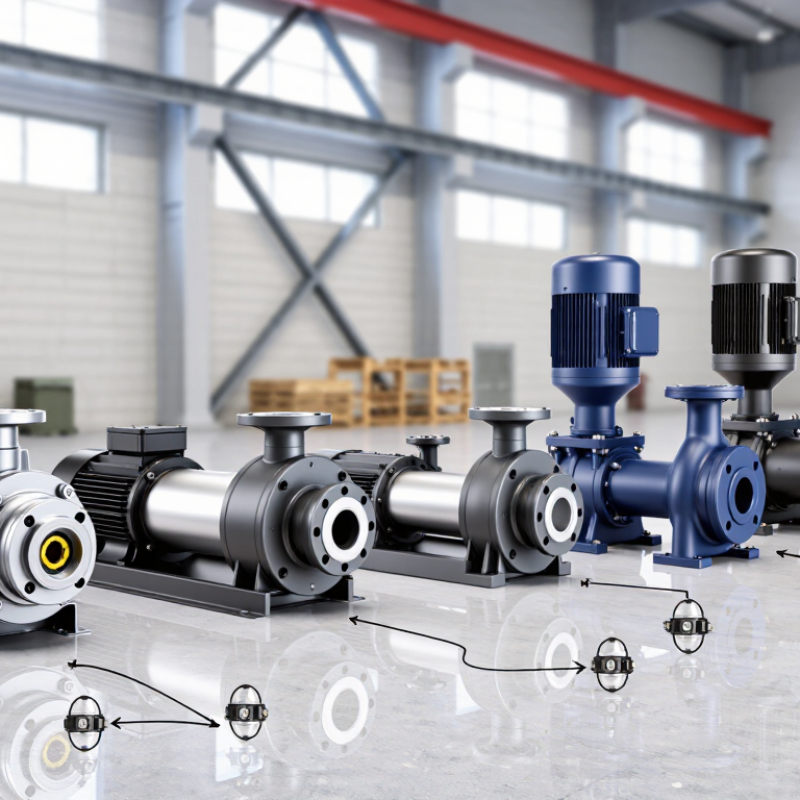
Seven pump models can address very different duties, but the right choice starts with the fluid, flow rate, and available head. An end-suction centrifugal model suits clean water transfer between tanks or across a plant. For taller buildings or long discharge lines, a multistage model can provide greater pressure. A self-priming model helps where suction pipes may drain between cycles. Fit matters.
For flooded pits, a submersible model avoids a separate priming arrangement.
A diaphragm model can handle variable flow and some solids, though material compatibility must be checked carefully.
For viscous liquids, a progressive-cavity model offers steady, low-pulsation delivery; dry running can damage its rotor and stator.
A vertical-turbine model is useful for deep sumps or wells with changing water levels.
Check the curve.
Compare the duty point with the pump curve, not just the maximum flow printed on a data sheet. Ask for verified performance, seal options, motor details, and maintenance clearances.
One detail is easy to miss: the actual liquid temperature can change seal life and operating limits.
A shortlist is only a starting point; site measurements may change the decision.
Comparing Performance, Materials, and Maintenance Requirements
For global buyers, pump performance should be judged against the actual duty point, not the highest figure on a brochure. Compare flow, total head, fluid temperature, and expected operating hours across the seven shortlisted designs. An end-suction model may suit a straightforward transfer line, while a multistage unit can provide higher pressure in a compact footprint. Split-case pumps often handle larger flows, but their installation needs more room. Submersible and self-priming designs can simplify certain intake conditions. The best choice depends on the site. Check the duty point.
Materials matter when the liquid contains salts, grit, or cleaning chemicals. Cast iron can be economical for many water duties; stainless steel may better resist corrosion, while suitable wear-resistant alloys can help with abrasive fluids. Confirm compatibility with the full liquid chemistry, not just its name. Maintenance varies too. Check seal access, bearing lubrication points, spare-part availability, and whether technicians can lift the assembly safely. Keep an eye on vibration and leakage during routine inspections. Small details matter. A higher-efficiency unit can still disappoint if it operates far from its design range. I would recheck assumptions about seasonal demand; those figures are often less certain than buyers expect.
Global Buying Considerations: Sourcing, Support, and Compliance
Global pump sourcing starts with the duty point, not the lowest quotation. Share flow, head, liquid temperature, solids content, and operating hours with suppliers. Request a performance curve, material schedule, and test records. The U.S. Department of Energy’s Improving Pumping System Performance sourcebook estimates that pumping systems use nearly 20% of global electricity. That makes efficiency and lifetime energy costs worth checking alongside purchase price.
Delivery estimates need local verification. The World Bank’s 2023 Logistics Performance Index covers 139 economies and offers a useful comparison of logistics conditions. Check port access, inland transport, customs paperwork, and local stock before accepting a promised lead time. Ask for a written spares list, service response times, and clear warranty conditions. A tidy comparison sheet can still miss one awkward detail: seal availability after installation.
Compliance depends on the installation site and pump application. Confirm applicable electrical, pressure, and material requirements with the local project engineer. Where relevant, check whether the design follows standards such as ISO 2858 or ISO 5199, and request traceable material and inspection documents. Keep documents in the language required by the project team. Small gaps matter. A quotation may look complete while omitting commissioning support or replacement-part costs.
7 Best Tyrone Pumps for Global Buyers in 2026 - Global Buying Considerations: Sourcing, Support, and Compliance
Buyer’s shortlist: The options below are common pump types for different duties, not a verified ranking or confirmation of any particular manufacturer’s product range. Confirm the exact model, performance curve, materials, approvals, and service arrangements with the supplier before ordering.
| Pump type | Typical application | Key selection checks | Sourcing and documentation | Support and compliance considerations |
|---|---|---|---|---|
| End-suction centrifugal | General transfer and circulation of relatively clean, low-viscosity liquids. | Required flow and total dynamic head; liquid temperature and compatibility; efficiency at the intended duty point; motor voltage and frequency. | Request a pump curve, dimensional drawing, materials list, motor data, and itemized quotation. Confirm lead time and spare-parts availability. | Check applicable electrical and machinery requirements for the destination market. Confirm installation, commissioning, and warranty terms in writing. |
| Multistage centrifugal | Applications requiring higher pressure, such as pressure boosting and some boiler-feed or process duties. | Required pressure and flow; suction conditions; liquid temperature; seal and casing materials; operating range and motor power. | Request a duty-point selection and curve, stage configuration, pressure rating, test records, and clearly defined delivery terms. | Verify that pressure-containing components and electrical equipment meet the rules applicable to the installation and operating environment. |
| Submersible drainage | Removing groundwater, stormwater, and other drainage water from pits or construction areas. | Maximum particle size; required flow and lift; immersion depth; cable length; solids and abrasion exposure; automatic level-control needs. | Confirm supplied accessories, cable specifications, installation instructions, and the availability of seals and wear parts. | Check electrical protection, enclosure suitability, and any site-specific requirements for operation in wet or hazardous locations. |
| Submersible sewage or wastewater | Wastewater transfer where solids-handling capability is needed. | Solids passage and fluid characteristics; risk of clogging; flow and head; impeller design; seal arrangement; expected duty cycle. | Ask for documented solids-handling limits, a performance curve, materials details, and recommended inspection and maintenance intervals. | Confirm local wastewater, electrical, and workplace safety requirements. Do not infer solids capacity from the pump type alone. |
| Rotary positive-displacement | Metering or transferring viscous fluids and applications that need controlled displacement. | Viscosity across the operating temperature range; required flow and pressure; fluid compatibility; speed control; dry-running and relief provisions. | Provide the supplier with fluid data and operating conditions. Request material compatibility information, recommended seals, and service-part lead times. | Confirm suitable pressure protection and any chemical-handling, emissions, or process-safety requirements for the application. |
| Self-priming centrifugal | Transfer duties where the pump is installed above the liquid source and priming capability is useful. | Suction lift under actual site conditions; suction-line layout; priming time; liquid temperature; allowable solids; duty-point performance. | Request installation limits, priming instructions, a performance curve, and confirmation of which valves or accessories are included. | Verify that the specified suction conditions are achievable at the site; actual performance depends on installation and liquid conditions. |
| Vertical turbine | Deep wells, reservoirs, and other water-source applications requiring a vertical pump arrangement. | Well diameter and depth; water level and drawdown; required flow and head; column length; water quality; motor and drive arrangement. | Share a well report or source-water data where available. Request a complete assembly drawing, materials schedule, and installation requirements. | Check local water-abstraction, electrical, and installation rules. Confirm access to specialist installation and maintenance support. |
Related Posts
-
How to Choose the Right Tyrone Pumps for Global Buyers?
-
The Next Generation of Hydraulic Pump Motors Innovation and Impact
-
Ultimate Checklist for Sourcing the Best Hyd Pumps for Your Projects
-
Top Hydraulic Pumps And Motors Suppliers Worldwide?
-
Unlocking the Benefits of Efficient Tractor Hydraulic Pumps for Your Agricultural Needs
-
10 Best Hydraulic Pumps And Motors For Global Buyers?