
How to Choose the Right Hydraulic Motors for Your Needs?

Choosing the right hydraulic motors is crucial for various applications. These components power machinery in construction, agriculture, and manufacturing. Understanding your specific needs is key. It ensures efficiency and effectiveness in your operations.

Hydraulic motors come in various types and sizes. Each type serves a different purpose, and choosing the wrong one can lead to inefficiencies. Consider your machinery’s specifications and the work environment. High torque and speed may be necessary in some cases.

Don't overlook the importance of compatibility. Your hydraulic system must work seamlessly with the chosen motor. Researching manufacturers and understanding their reputations will help. A trusted supplier can guide you through different options. Ultimately, the right choice impacts productivity and longevity, making it a decision worth careful consideration.
How to Choose the Right Hydraulic Motors for Your Needs?

Understanding Hydraulic Motor Basics and Types

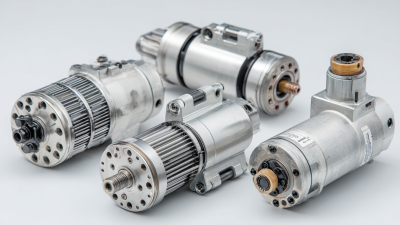
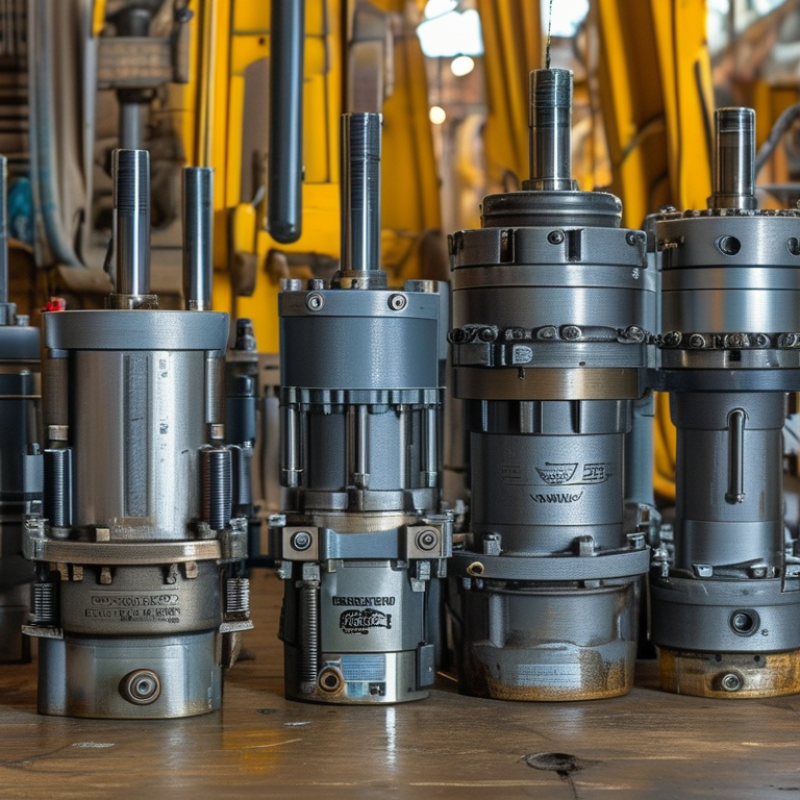
Understanding hydraulic motors is crucial for selecting the right one for your machinery. Hydraulic motors convert hydraulic energy into mechanical energy. They are essential in numerous applications, from construction to mobile machinery.

There are various types of hydraulic motors, each designed for specific applications. Gear motors are common due to their simplicity and reliability. They are great for low to medium torque applications. However, they might not perform well in high-pressure environments.

Piston motors, on the other hand, offer higher efficiency and torque. Yet, they require careful maintenance to avoid operational issues.

When choosing a hydraulic motor, consider your specific needs. Think about the required speed and torque. Don’t overlook factors like available space or weight limitations. Every detail matters in achieving optimal performance. It's always beneficial to consult with experts when making these decisions. This ensures that you avoid common pitfalls in hydraulic motor selection.

Key Factors to Consider When Selecting Hydraulic Motors

Selecting the right hydraulic motor involves understanding several key factors. Start with the application requirements. Consider the load characteristics. Is the load consistent or variable? Identify the speed and torque needed for your system. These variables greatly impact the motor's performance.

Next, evaluate the environment where the motor will operate. Conditions like temperature, humidity, and exposure to contaminants can affect its longevity. Don’t overlook the hydraulic fluid type used in your system; it must be compatible with the motor's materials.

Maintenance is another crucial aspect. Ensure that your selected hydraulic motor can be easily serviced. Check for available support and documentation. Remember, not all motors are created equal. Sometimes, more expensive options may not be the best fit. Reflect on your specific needs versus broader industry trends.

Evaluating Performance Characteristics and Specifications

When choosing hydraulic motors, performance characteristics are crucial. Key specifications include displacement, torque, and efficiency. These metrics dictate how well the motor will operate in various applications. For instance, a study from the National Fluid Power Association indicates that motors with higher displacement can deliver greater torque at lower speeds, making them ideal for heavy machinery.

Efficiency is another critical factor. Hydraulic motors can vary widely in this aspect, ranging from 85% to over 95%. Selecting a motor with a higher efficiency rating can translate into significant energy savings. This is particularly relevant for projects requiring continuous operation. Additionally, consider the maximum operating pressure. This specification ensures the motor can handle the demands of your specific tasks.

While these measurements are essential, their practical implications must be assessed. Real-world conditions can affect the theoretical performance of a motor. Factors such as temperature, fluid type, and installation can compromise efficiency, leading to unexpected outcomes. It’s important to analyze these variables during the selection process to avoid potential pitfalls.

Assessing Compatibility with Existing Systems and Applications

When selecting hydraulic motors, compatibility with existing systems is crucial. Understanding the specifications of your current setup can prevent costly mistakes. Check the pressure ratings and flow requirements of your system. Ensure the hydraulic motor's output aligns with these parameters. Mismatched specifications can lead to inefficiencies or damage.

Consider the physical dimensions as well. A motor that fits your space can save time and cost during installation. Double-check connection types as well. Some systems may require specific fittings. If the motor doesn't match, you may need to modify your setup. This can introduce additional costs and complexities.

Additionally, think about the applications you plan to use the motor for. Different tasks may require specific power or torque levels. Evaluate whether your choice will perform reliably under load. Have you considered long-term maintenance as well? A motor might operate well initially but could face issues later. Reflect on these aspects to ensure the motor meets both current and future needs.

Maintenance and Longevity: Choosing Durable Hydraulic Motors

Choosing durable hydraulic motors is crucial for maintenance and longevity. Quality materials and suitable designs significantly impact the performance and lifespan of these components. According to a report by the International Fluid Power Society, up to 30% of hydraulic motor failures can be attributed to poor material selection and design flaws. Properly selected motors can last several years without issues, while others may fail prematurely.

Regular maintenance is vital. Many hydraulic motors require periodic checks to ensure fluid levels are optimal. The National Fluid Power Association indicates that preventive maintenance can extend the life of hydraulic systems by 25% to 40%. Neglecting maintenance leads to wear and tear, resulting in decreased efficiency and increased costs. Details like proper filtration can prevent contamination and enhance performance.

Assessing the operating conditions is essential. Motors exposed to extreme temperatures or heavy loads may require more robust designs. Evaluating the environment ensures the selection of appropriate hydraulic motors. It's important to consider factors like fluid viscosity and temperature range. Your choices should reflect these critical aspects to avoid unexpected failures and costly downtime.